
Al Seef by Night: A Guide to Emirati Food & Culture
The call to prayer echoes softly over Dubai Creek as the sun begins its descent, painting the sky in hues of amber and rose gold. The scent of Oud incense drifts through the air, mingling with the aroma of freshly baked khubz from nearby kitchens. As twilight embraces the city, the first traditional lanterns flicker to life along the Al Seef promenade, their warm glow dancing on the cobblestone pathways below.
Are you looking for an evening in Dubai that moves beyond the dazzling skyscrapers and offers a taste of the city’s true soul? While the modern marvels of this cosmopolitan city capture headlines, the most authentic experiences often unfold in quieter corners where tradition and modernity dance together under starlit skies.
Welcome to Al Seef by night – Dubai’s best-kept secret for discerning travelers seeking genuine cultural immersion. This waterfront destination transforms after dark into a living tapestry of Emirati heritage, where the past whispers its stories through every architectural detail and every carefully prepared dish tells the tale of a proud nation’s culinary legacy.
This guide will walk you through creating the perfect cultural evening at Al Seef, from savoring unforgettable Emirati dishes that have been passed down through generations to witnessing captivating live performances that celebrate the Emirates’ rich artistic traditions. Prepare yourself for an evening that will linger in your memory long after you’ve returned home.
Al Seef After Dark: Where Dubai’s Past and Present Embrace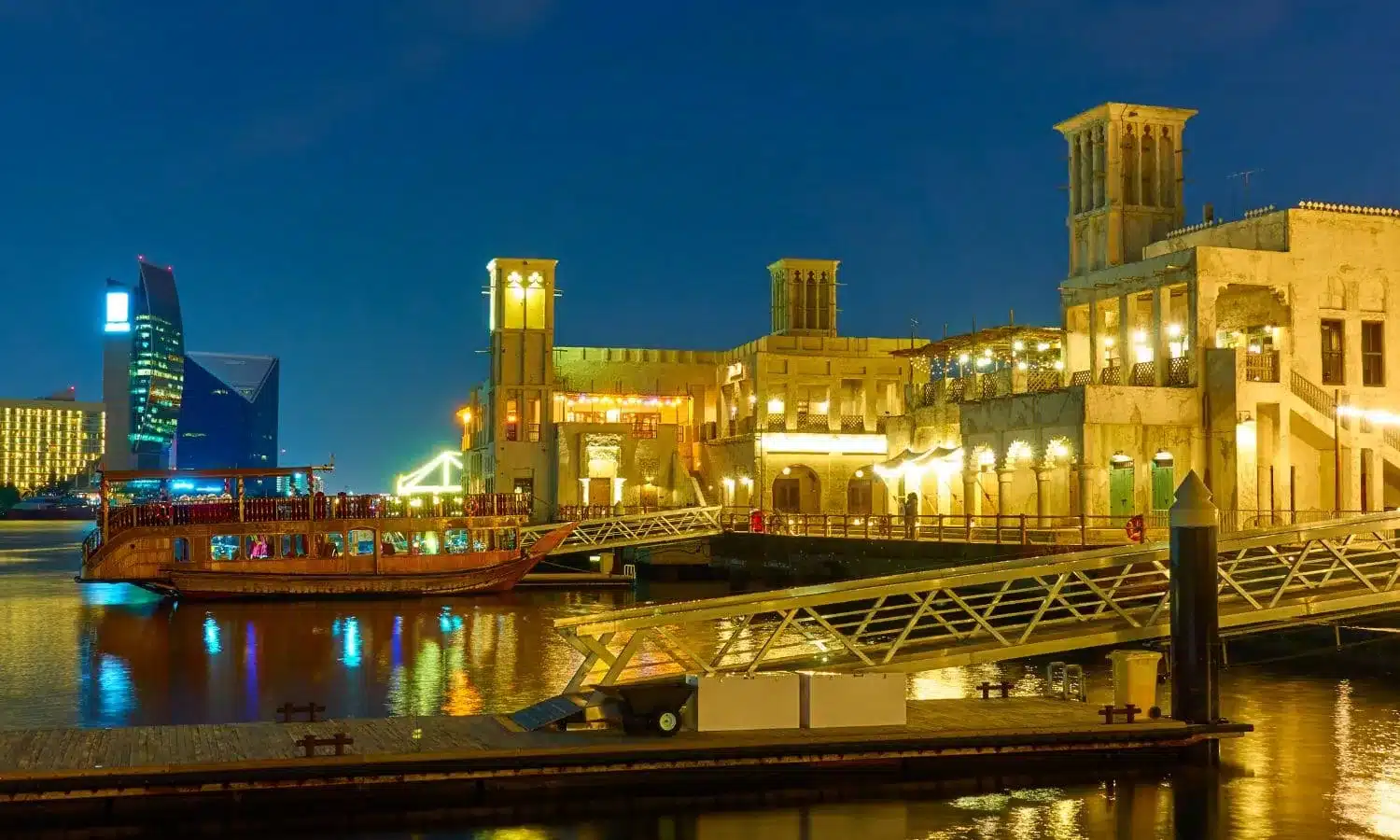
As darkness falls over Dubai Creek, Al Seef undergoes a magical transformation that reveals its dual personality. This remarkable waterfront district seamlessly weaves together two distinct experiences: the meticulously recreated heritage area that pays homage to “Old Dubai” and the sleek, contemporary district that showcases the Emirates’ vision for the future.
The heritage section comes alive with particular enchantment after sunset. Picture yourself walking along cobblestone alleys that echo with the footsteps of generations past, while traditional wind towers (barjeel) stand as silent sentinels against the darkening sky. These architectural marvels, once the ingenious air conditioning systems of ancient Dubai, now serve as romantic backdrops for evening strolls.
The bustling souks take on an entirely different character at night. During daylight hours, they buzz with efficient commerce, but as evening approaches, they become theaters of cultural exchange. You’ll hear the melodic calls of vendors offering their wares, the gentle splash of abras (traditional water taxis) gliding across the creek, and the soft murmur of conversations in Arabic, punctuated by warm laughter.
What makes Al Seef truly special among things to do in Dubai at night is its ability to transport you to a different era without sacrificing modern comfort. The heritage area features buildings constructed using traditional coral stone and gypsum, materials that have kept Dubai cool for centuries. These structures now house contemporary restaurants, artisan shops, and cultural venues, creating an atmosphere where you can sip traditionally prepared Gahwa while checking your smartphone for the perfect Instagram shot.
The modern section of Al Seef provides a stunning contrast, with its sleek lines and contemporary architecture reflecting the city’s ambitious spirit. Glass facades mirror the heritage buildings across the promenade, creating a visual dialogue between past and future that encapsulates Dubai’s unique identity.
As night deepens, the entire district becomes illuminated by carefully placed lighting that highlights architectural details without overwhelming the intimate atmosphere. The creek itself becomes a mirror, reflecting the golden lights and creating a doubled world of beauty that seems almost surreal in its perfection.
For cultural experiences in Dubai, few locations offer such an authentic yet accessible introduction to Emirati life. The sound of the Oud being played by street musicians mingles with the calls of vendors, while families gather on
waterfront benches to share evening meals and visitors from around the world capture memories against backdrops of timeless beauty.
A Food Lover’s Guide to Authentic Emirati Cuisine at Al Seef
The Foundation of Emirati Culinary Heritage
Step into any authentic Emirati restaurant at Al Seef, and you’re entering a culinary tradition shaped by centuries of trade, travel, and adaptation. Emirati cuisine represents a beautiful fusion born from the crossroads of civilizations – where Bedouin traditions meet Persian influences, Indian spices blend with Arabian hospitality, and coastal ingredients merge with desert resourcefulness.
The cornerstone of authentic Emirati cooking lies in its masterful use of spices. Baharat, a complex blend including cardamom, cinnamon, cloves, and black pepper, forms the aromatic foundation of countless dishes. Saffron, more precious than gold in ancient times, still colors and flavors the most celebratory meals. Dried limes (loomi) add a distinctive tartness that cuts through rich meats and rice dishes, while rose water and orange blossom water provide delicate floral notes to desserts and beverages.
Must-Try Dishes: A Sensory Journey Through Emirati Flavors
Starters: The Art of Welcoming
Begin your culinary adventure with Harees, a dish that embodies the soul of Emirati comfort food. This creamy, porridge-like preparation combines wheat and tender meat (usually chicken or lamb) that has been slow-cooked for hours until it reaches a silky, almost custard-like consistency. The texture is extraordinary – smooth on your palate but with just enough substance to satisfy. Each spoonful carries the essence of clarified butter (samn) and a subtle blend of spices that warm you from within.
Samboosa represents the UAE’s cosmopolitan influences, though it has been thoroughly embraced as part of local cuisine. These golden, triangular pastries arrive at your table crackling with heat, their perfectly crisp exterior giving way to aromatic fillings of spiced meat, vegetables, or cheese. The first bite releases a burst of steam carrying the fragrance of coriander, cumin, and fresh herbs.
Main Courses: The Heart of the Feast
Al Machboos stands as the undisputed king of Emirati main dishes, and experiencing it properly prepared is transformative. Picture a mountain of fragrant basmati rice, each grain perfectly separated and gleaming with saffron-tinted ghee. The rice cradles tender chunks of lamb or chicken that have been marinated in a complex spice blend and slow-cooked until they nearly fall apart at the touch of a fork.
The magic happens in the layering of flavors. Caramelized onions provide sweetness, whole spices like cardamom pods and cinnamon sticks infuse their essence throughout, and the slow cooking process allows every component to meld into a harmonious whole. When served, dried fruits like raisins and almonds are scattered on top, adding textural interest and subtle sweetness that balances the savory elements.
Madrooba offers a completely different but equally satisfying experience. This dish transforms simple ingredients – rice, chicken, and spices – into something approaching liquid poetry. The rice is cooked and stirred until it breaks down into a creamy, risotto-like consistency that serves as a canvas for perfectly spiced, shredded chicken. The final dish has a porridge-like texture but with complex layers of flavor that develop with each spoonful.
Sweet Endings and Traditional Beverages
No Emirati meal concludes without Luqaimat, those perfect golden spheres that arrive at your table still warm from the oil. The exterior provides a satisfying crunch that gives way to a light, airy interior reminiscent of the finest doughnuts. They’re immediately drizzled with date syrup or honey, creating a perfect balance of textures and temperatures. Some preparations include a dusting of sesame seeds or a hint of cardamom in the batter, adding layers of complexity to this seemingly simple dessert.
The cultural ritual of drinking Gahwa (Arabic coffee) with dates is essential to understanding Emirati hospitality. This isn’t coffee as Westerners know it – Gahwa is light, aromatic, and flavored with cardamom, sometimes with hints of saffron or rose water. It’s served in small, handle-less cups called finjan, and the etiquette surrounding its service is as important as the beverage itself. Accepting the coffee is accepting the host’s hospitality, and it’s traditionally accompanied by fresh dates that provide sweetness to balance the coffee’s subtle bitterness.
Where to Experience Authentic Emirati Cuisine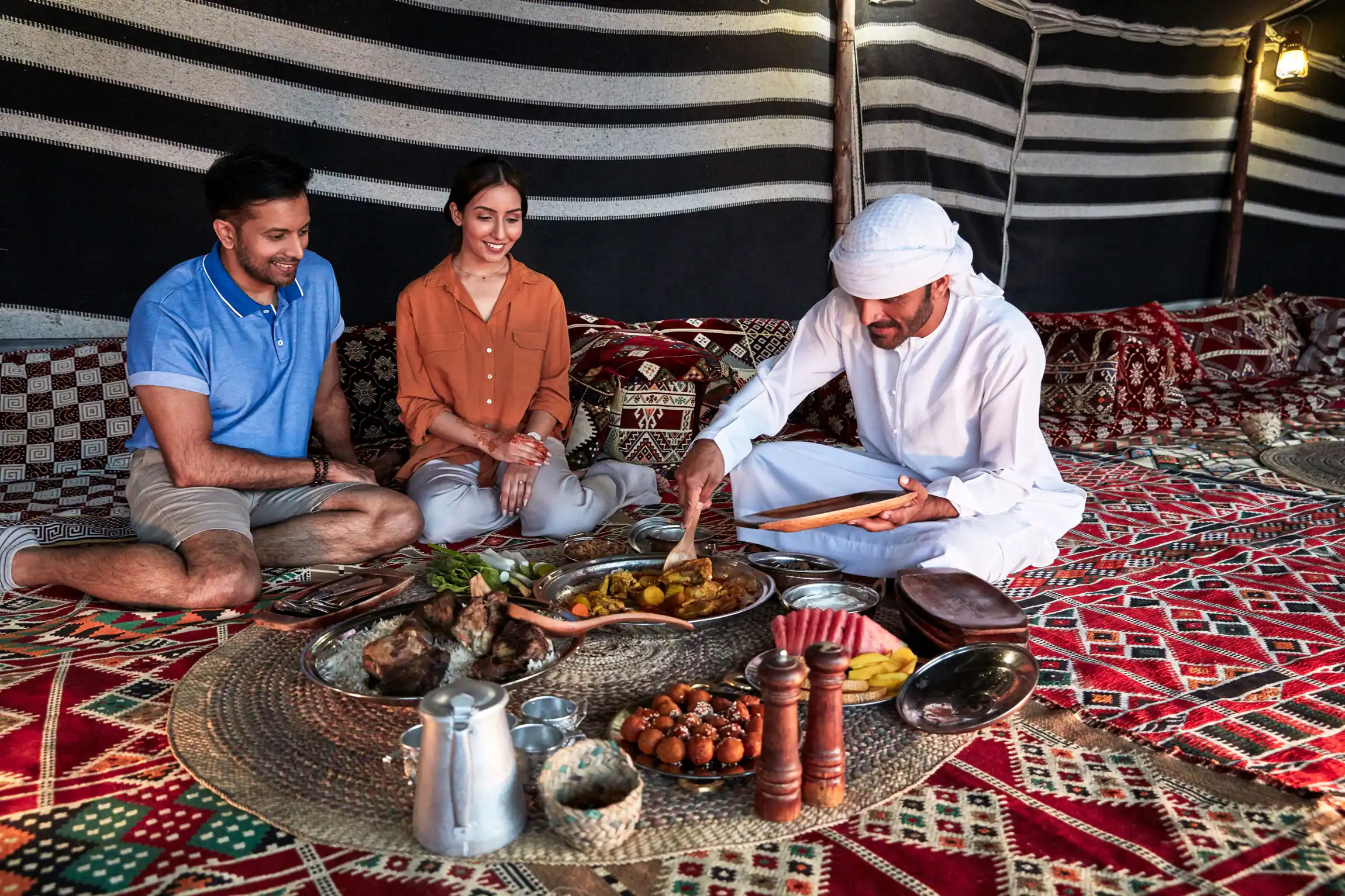
Al Fanar Restaurant & Cafe has earned recognition as one of Al Seef’s premier destinations for authentic Emirati food. The restaurant recreates the atmosphere of 1960s Dubai with meticulous attention to detail – from vintage photographs adorning the walls to traditional seating areas with floor cushions. Their Al Machboos is legendary among locals, and their breakfast menu offers hard-to-find traditional dishes like Balaleet (sweet and savory vermicelli with eggs).
The ambiance at Al Fanar transports you to old Dubai, with servers dressed in traditional Emirati attire and background music featuring classic Arabic melodies. Their outdoor seating provides stunning views of Dubai Creek, making it perfect for couples seeking a romantic dinner with cultural authenticity.
Sabaa Restaurant at the Al Seef Heritage Hotel offers a more upscale interpretation of traditional cuisine. Their chefs work to preserve authentic flavors while presenting dishes with contemporary sophistication. The restaurant’s interior features traditional architectural elements like carved wooden screens (mashrabiya) and brass lanterns, creating an atmosphere of refined elegance.
For a more casual but equally authentic experience, explore the smaller eateries scattered throughout the heritage souk. These family-run establishments often serve the most traditional preparations, passed down through generations and unchanged by commercial pressures.
The Soul of the Emirates: Live Performances and Cultural Encounters
As the aroma of dinner settles and the evening progresses, Al Seef reveals another layer of its cultural richness through live performances and authentic cultural encounters that bring Emirati heritage to vivid life.
The Ayyala dance, recognized by UNESCO as an Intangible Cultural Heritage of Humanity, occasionally graces the open spaces of Al Seef. This traditional performance art represents the UAE’s Bedouin warrior heritage, where two lines of performers face each other holding thin bamboo canes or replica swords. The dancers move in synchronized steps while drummers create rhythmic patterns that echo across the waterfront. The performance tells stories of honor, bravery, and community unity – values that remain central to Emirati culture today.
Yowlah dances offer a different but equally mesmerizing experience. Participants form a circle and perform intricate steps while reciting traditional poetry, often improvised to reflect current events or celebrate specific occasions. The dance embodies the oral tradition of the Emirates, where stories and values were passed down through performance rather than written word.
The sounds of Al Seef at night create their own symphony. The gentle plucking of an Oud drifts from a traditional music performance, its melancholic melodies speaking of desert nights and ancient caravan routes. The instrument’s pear-shaped body and distinctive tuning create sounds unlike Western guitars, with microtonal variations that can express emotions difficult to capture in other musical forms.
Street musicians often gather in the souk’s corners, their performances ranging from traditional folk songs to contemporary Arabic pop performed on classical instruments. These impromptu concerts attract small crowds of locals and tourists alike, creating moments of spontaneous cultural exchange.
The artisan shops scattered throughout the heritage area offer hands-on cultural immersion beyond passive observation. Watch master craftsmen create intricate Talli (traditional Emirati metallic thread embroidery) or observe perfumers blending custom fragrances using traditional Middle Eastern techniques. The scent of sandalwood, oud, and rose mingles in these small shops, while artisans explain the cultural significance of their craft.
Textile shops display beautiful Thobe (traditional Emirati dresses) with intricate embroidery work that can take weeks to complete by hand. The proprietors often share stories about the symbolic meaning behind different patterns and colors, transforming a shopping experience into a cultural education.
The bargaining process itself becomes a cultural performance. Unlike aggressive haggling, traditional negotiation in Emirati culture is a dance of respect and relationship-building. Vendors offer tea while discussing prices, turning commerce into social interaction that visitors often find more valuable than their purchases.
Your Blueprint for a Perfect Night at Al Seef
Creating the perfect evening at Al Seef requires timing, patience, and openness to spontaneous discoveries. Here’s your step-by-step guide to maximizing this cultural experience:
The Ideal Itinerary
5:30 PM – Golden Hour Photography and Creek Stroll Arrive as the afternoon heat begins to dissipate and the golden hour transforms Al Seef into a photographer’s paradise. The heritage buildings glow warmly in the slanted sunlight, while the creek reflects the changing sky in brilliant colors. This is your opportunity to capture the district’s beauty before the evening crowds arrive.
Walk slowly along the waterfront promenade, allowing yourself to appreciate the architectural details that might be missed in harsher daylight. The traditional wind towers create dramatic silhouettes, while the modern section’s glass facades begin their evening light show.
6:30 PM – Heritage Souk Immersion Enter the heritage souk as it transitions into evening mode. Vendors are setting up their evening displays, and the atmosphere becomes more relaxed and social. This is prime time for cultural interactions – ask vendors about their crafts, sample traditional sweets from food stalls, and perhaps negotiate for a small souvenir.
Don’t rush through this experience. The souk rewards patient exploration, with hidden corners revealing unexpected treasures and chance encounters with local artisans eager to share their knowledge.
7:30 PM – Authentic Emirati Dinner Settle into your chosen restaurant as the dinner service begins. This timing ensures the freshest preparations while allowing you to secure optimal seating with creek views. Begin with traditional appetizers and take time to appreciate each dish’s preparation and cultural significance.
Engage your servers in conversation about the food’s origins and traditional preparation methods. Most staff at authentic restaurants are knowledgeable about culinary traditions and proud to share their heritage with interested visitors.
9:00 PM – Street Performances and Cultural Shows After dinner, find a comfortable spot to enjoy the evening’s live performances. Weekend evenings often feature scheduled cultural shows, while any night might offer spontaneous musical performances or traditional craft demonstrations.
9:30 PM – Evening Beverages by the Water Conclude your evening with a final cup of Gahwa or Karak chai at one of the waterfront cafes. This quiet time allows for reflection on the evening’s experiences while enjoying the peaceful atmosphere as Al Seef settles into night.
Pro-Tips for the Discerning Traveler
Top 5 Instagrammable Spots at Al Seef by Night:
- The heritage area’s central courtyard with traditional lanterns reflected in decorative water features
- Creek-side dining terraces with abras passing in the background
- Traditional wind towers silhouetted against the illuminated Dubai skyline
- The spice souk with colorful displays and atmospheric lighting
- Waterfront benches capturing both heritage and modern architecture in one frame
Practical Information for Your Visit: The easiest access to Al Seef is via the Dubai Metro’s Green Line to Al Ghubaiba station, followed by a pleasant 10-minute walk along the creek. Alternatively, Careem and Uber provide direct service, with designated drop-off points clearly marked.
Dress respectfully but comfortably – light, breathable fabrics work best in Dubai’s climate, while modest coverage shows cultural sensitivity. Layers are advisable as evening temperatures can drop significantly, especially during winter months.
While most restaurants and shops accept credit cards, carrying some cash enhances your souk experience and allows for traditional bargaining interactions that vendors particularly appreciate.
Conclusion
An evening at Al Seef by night transcends typical tourist experiences to become something far more meaningful – a genuine connection with the soul of the Emirates. As you walk the cobblestone paths where ancient traditions echo in
every carefully preserved detail, taste dishes that carry centuries of cultural memory, and witness performances that celebrate a proud heritage, you’ll understand that Al Seef offers something increasingly rare in our modern world: authenticity.
The magic lies not just in the meticulously recreated architecture or the expertly prepared cuisine, but in the living culture that breathes through every interaction, every shared meal, every moment of spontaneous connection with local traditions. This is Dubai’s heart speaking directly to yours, offering insights that no skyscraper observation deck or luxury mall can provide.
For the discerning traveler seeking experiences that resonate long after the journey ends, an evening at Al Seef represents the perfect synthesis of culture, cuisine, and captivating ambiance. It’s where Dubai’s past and future shake hands over a perfectly prepared cup of Gahwa, where every dish tells a story, and where every sunset promises new discoveries.
Ready to weave this unforgettable night into your Dubai story? The travel experts at Astam Holidays specialize in crafting bespoke journeys that honor both your adventurous spirit and your appreciation for authentic cultural experiences. Contact us today to add the magic of Al Seef to your personalized luxury itinerary, and let us help you create memories that will enrich your understanding of this remarkable destination for years to come.
Frequently Asked Questions
Is Al Seef free to enter? Yes, Al Seef is a public waterfront area that is completely free to enter and explore. You can walk through the heritage and modern districts, enjoy the architecture, and browse the souks without any admission fees. You only pay for dining, shopping, or specific activities you choose to participate in.
What is the best time to visit Al Seef? While Al Seef offers beauty throughout the day, it truly comes alive at night. The optimal visiting time is from 5 PM onwards, allowing you to experience the golden hour photography opportunities, watch the sunset over Dubai Creek, and enjoy the vibrant evening ambiance when temperatures are more comfortable and cultural performances are most likely to occur.
Are there vegetarian options in Emirati cuisine at Al Seef? Absolutely! Many restaurants offer vegetarian versions of classic Emirati dishes, adapting traditional recipes by substituting vegetables or legumes for meat. You’ll also find an excellent variety of mezze including hummus, falafel, mutabal, and fresh salads. Rice dishes like vegetarian Machboos and lentil-based preparations provide hearty, flavorful options for plant-based diners.
How much does a meal cost at Al Seef? Dining costs vary significantly depending on your choices. Casual food stalls and quick-service options might cost AED 25-50 per person for a satisfying meal. Mid-range restaurants typically charge AED 100-200 per person for a complete dinner with appetizers, main course, and dessert. Fine dining establishments can range from AED 200-400+ per person. A romantic dinner for two at a good mid-range restaurant usually costs between AED 200-400 total.
Is Al Seef suitable for families with children? Al Seef is extremely family-friendly! The open waterfront spaces provide room for children to explore safely, while the traditional abra boat rides across the creek offer exciting but gentle adventure. Cultural performances and craft demonstrations captivate young minds, and many restaurants offer child-friendly versions of traditional dishes. The pedestrian-only heritage area eliminates traffic concerns, making it ideal for families with children of all ages.
Written by the travel experts at Astamb Holidays, specializing in authentic cultural experiences and bespoke Dubai itineraries that go beyond the ordinary tourist trail.
0




Leave a Reply