
There isn’t one universally best time to visit Bali. The right window depends on how you weigh weather against crowds, and crowds against your budget. A honeymooner chasing dry, golden evenings wants a different month than a family hunting flight deals during India’s school holidays.
In my experience planning Bali trips at Astamb Holidays, most of the disappointment I hear about afterward traces back to one thing travellers picked a month based on a generic Bali is great year-round line, without checking what that month actually means for their specific plan. This guide breaks that down properly, month by month, region by region, and with an India-specific lens most guides skip entirely.
🤔 When Is the Best Time to Visit Bali
Here’s the short version before we go deep. Bali sits close to the equator, so it’s warm every month — the real variables are rainfall, tourist volume, and how much your hotel and flights will cost.
Good Weather
May, June, July, August, and September give you the driest, sunniest stretch, with low humidity and dependable skies for beach days and hiking.
Fewer Crowds
February, March (outside Nyepi week), and November see noticeably thinner crowds at temples, waterfalls, and viewpoints.
Lower Prices
January, February, and November typically bring the softest hotel and villa rates, apart from short spikes around Chinese New Year.
First-Time Trip
If it’s your first visit, June or September hits the sweet spot — good weather, manageable crowds, and prices that haven’t hit peak-season levels yet.
🌦️ Bali Weather by Season Dry Season vs Wet Season
Bali runs on two broad seasons rather than four, and understanding the difference matters more than memorising specific dates.
Dry Season (April to October)
This stretch brings lower humidity, more sunshine hours, and calmer seas on most coasts. July and August sit at the peak — gorgeous weather, but also peak crowds and peak prices, so it’s a trade-off, not a free win.
Wet Season (November to March)
Rain doesn’t mean a washed-out trip. Landscapes turn a deeper green, rice terraces look their best, and hotel rates drop, but you do need to plan around shorter bursts of heavier rainfall.
Is Bali rainy all day during the wet season
No. Wet season showers are usually short and intense, often clustered in the late afternoon or overnight, leaving mornings clear enough for temple visits, surfing, or beach time.
Does Bali stay hot throughout the year
Yes, broadly. Temperatures hover around 26–33°C year-round with minimal swing, so packing light cottons and a rain shell works for any month you choose.
📅 Bali Month-by-Month Which Month Should You Choose
This is where most generic guides stop at dry season good, wet season bad. Here’s what each month actually looks like on the ground.
January
January sits deep in wet season, right after the New Year crowd thins out. Expect frequent short showers and a quieter island once the holiday rush clears by mid-month.
– Weather Wettest month, high humidity
– Crowds High early month, then Moderate
– Prices Average, dips after Jan 5
– Best for Spa retreats, indoor cultural experiences
– Watch-outs Nusa Penida boat crossings get cancelled more often
February
February is often the quietest window of the entire year, weather-wise still wet but genuinely low-crowd, apart from a short Chinese New Year bump.
– Weather Wet, occasional flooding in low areas
– Crowds Low, except Chinese New Year week
– Prices Lowest of the year
– Best for Budget travellers, quiet Ubud stays
– Watch-outs Some beach clubs reduce hours
March
March is transitional and dominated by one major event Nyepi, the Day of Silence, which shuts the entire island down for 24 hours.
– Weather Improving, less intense rain
– Crowds Low outside the days around Nyepi
– Prices Below average
– Best for Cultural immersion, Ubud and Sidemen
– Watch-outs Airport closes completely on Nyepi day
April
April marks the real start of dry season, with rainfall dropping sharply and skies clearing up week by week.
– Weather Improving fast, moderate humidity
– Crowds Moderate, rising toward month-end
– Prices Rising from low-season rates
– Best for Surfing at Uluwatu, first dry-season travellers
– Watch-outs Occasional lingering showers early in the month
May
May is one of my personal go-to recommendations for clients — dry, warm, and still ahead of the July–August rush.
– Weather Reliable sunshine, low humidity
– Crowds Moderate
– Prices Average, climbing toward peak
– Best for Honeymooners, photography, beach days
– Watch-outs Book Ubud villas early, this month fills fast
June
June brings near-perfect conditions and, notably, Galungan and Kuningan ceremonies often fall in this window, adding cultural depth to the trip.
– Weather Excellent, dry and breezy
– Crowds Rising toward peak
– Prices Approaching peak
– Best for Cultural travellers, temple ceremonies
– Watch-outs Traffic builds noticeably in Canggu and Seminyak
July
July is peak dry season and peak European and Australian school-holiday traffic, so weather is excellent but everything else gets crowded.
– Weather Best of the year, low rain risk
– Crowds Peak
– Prices Highest
– Best for Surfing, guaranteed sunshine
– Watch-outs Book flights and villas 3+ months out
August
August continues the dry-season peak, and it overlaps with parts of the Indian monsoon slowdown, making it popular with Indian travellers too.
– Weather Excellent, driest stretch
– Crowds Peak
– Prices Highest
– Best for Adventure seekers, diving visibility
– Watch-outs Uluwatu and Canggu get genuinely congested
September
September is my top pick for balance — dry weather holding steady while European peak crowds thin out considerably.
– Weather Very good, occasional light showers
– Crowds Moderate
– Prices Dropping from peak
– Best for First-timers, value-conscious travellers
– Watch-outs Some late-month showers appear inland
October
October keeps most of the dry-season benefits while prices soften further, making it a strong shoulder-season month.
– Weather Good, humidity slowly rising
– Crowds Moderate to Low
– Prices Below peak, good value
– Best for Budget-conscious couples, quieter beaches
– Watch-outs Late-month rain becomes more frequent
November
November opens the wet season gently, and I often steer clients here who want green landscapes without full monsoon intensity.
– Weather Wet season begins, still manageable
– Crowds Low
– Prices Low
– Best for Budget travellers, waterfall chasers
– Watch-outs Sea conditions worsen for Nusa Penida crossings
December
December splits into two moods — a quiet first three weeks, then a full peak-season crush from Christmas through New Year.
– Weather Wet, but with sunny breaks
– Crowds Peak from Dec 20 onward
– Prices Highest of the year post-Christmas
– Best for Festive travellers who book early
– Watch-outs Villa rates can double in the final week
📊 Bali Travel Calendar at a Glance
Month Weather Rain Risk Crowds Price Best For
January Wet High High → Moderate Average Spa retreats
February Wet High Low Lowest Budget travel
March Improving Moderate Low Below average Culture, Nyepi
April Drying Moderate Moderate Rising Uluwatu surf
May Dry Low Moderate Average Honeymoons
June Dry Low Rising Approaching peak Galungan season
July Dry Very low Peak Highest Sunshine seekers
August Dry Very low Peak Highest Adventure, diving
September Dry Low Moderate Dropping First-timers
October Good Low-moderate Low-moderate Good value Budget couples
November Wet begins Moderate Low Low Waterfalls
December Wet Moderate-high Peak (late) Highest (late) Festive travel
👫 What Is the Best Month to Visit Bali for Different Types of Travelers
Your travel companions change the calculus more than most guides admit.
Couples & Honeymooners
May or September deliver golden-hour sunsets without the peak-season traffic jams around Seminyak and Canggu.
Families
Align with Indian school breaks — May–June or December work, but book villas with private pools early to dodge the peak crowds.
Budget Travellers
February and November offer the steepest discounts on villas, spas, and tours across the island.
First-Timers
June or September balances weather, crowd comfort, and manageable prices better than any other window.
Photographers
April and October bring dramatic cloud formations over the rice terraces, ideal for that layered golden-hour shot.
Adventure Seekers
July–August gives the most reliable surf swells and the clearest diving visibility around Nusa Penida and Amed.
Seekers of Quiet
February and the first three weeks of November are genuinely calm, even at usually busy sites like Tegallalang.
👥 When Is Bali Most Crowded
July, August, and the last two weeks of December through early January are unambiguously peak. Flight prices climb, popular beach clubs need reservations, and Ubud’s main streets feel more like a queue than a stroll.
Local Insight the smarter move isn’t just shifting your dates, it’s shifting your location. In my experience routing clients around peak weeks, moving from Seminyak or Kuta to Sidemen or Munduk solves the crowd problem far more effectively than chasing a different month.
🌧️ Is Bali Worth Visiting During the Rainy Season
Yes, with the right expectations. Wet season brings genuine upsides hotel and villa rates drop sharply, rice terraces turn vividly green, and popular sites like Tegallalang or Uluwatu Temple feel far less rushed.
The trade-offs are real too. Rain can disrupt boat crossings to Nusa Penida or the Gili Islands, and a run of consecutive rainy days does happen, especially in January. Travellers with tight, activity-packed itineraries or small children who need predictable outdoor time should lean toward dry season instead.
🏄 Best Time to Visit Bali for Beaches, Surfing & Water Activities
Bali’s coastlines don’t all behave the same way at the same time, which is a detail most generic guides skip entirely.
Beaches the west coast (Kuta, Seminyak, Canggu) stays calmer during dry season, while the east coast (Sanur, Amed) offers gentler, family-friendly water most of the year.
Surfing Uluwatu and Padang Padang get their strongest, most consistent swells from May through September, drawing serious surfers from across the region.
Snorkelling and diving visibility around Nusa Penida, Amed, and Menjangan peaks in August–October, when currents settle and water clarity improves noticeably.
Reality check worth flagging dry season refers to rainfall, not sea state. Currents around Nusa Penida and the Gilis can still turn rough even on a cloudless day, so always check local operator advisories before booking a crossing.
🗺️ Best Time to Visit Ubud, Uluwatu, Nusa Penida & Other Bali Regions
Bali’s microclimates and traffic patterns vary enough that best time genuinely shifts by region.
Ubud (Central Highlands)
Cooler, greener, and slightly wetter than the coast, Ubud rewards a visit in April–June or September, when rice terraces look their lushest without full monsoon disruption.
Wahid’s Local Insight Tip Ubud’s Monkey Forest Road gridlocks badly between 10 AM and 1 PM during peak months. Plan temple visits before 9 AM instead.
South Bali (Seminyak & Canggu)
The beach-club hub stays busy nearly year-round, but traffic genuinely worsens during July–August and late December.
Wahid’s Local Insight Tip Canggu’s main Batu Bolong stretch can take 40 minutes to cross by car during peak evenings — a scooter or a 15-minute walk often beats the traffic entirely.
Uluwatu (Cliffs & Surf)
This region peaks for surf and sunset-watching from May through September, when swells are consistent and skies stay clear for the famous cliffside Kecak performances.
East Bali (Sidemen & Amed)
Quieter and drier than the west coast even in wet season, thanks to a partial rain shadow from Mount Agung, making it a smart pick for November–February travel.
North Bali (Lovina)
Lovina stays noticeably drier than the south year-round and offers a genuinely calmer alternative during peak crowd months.
Nusa Penida
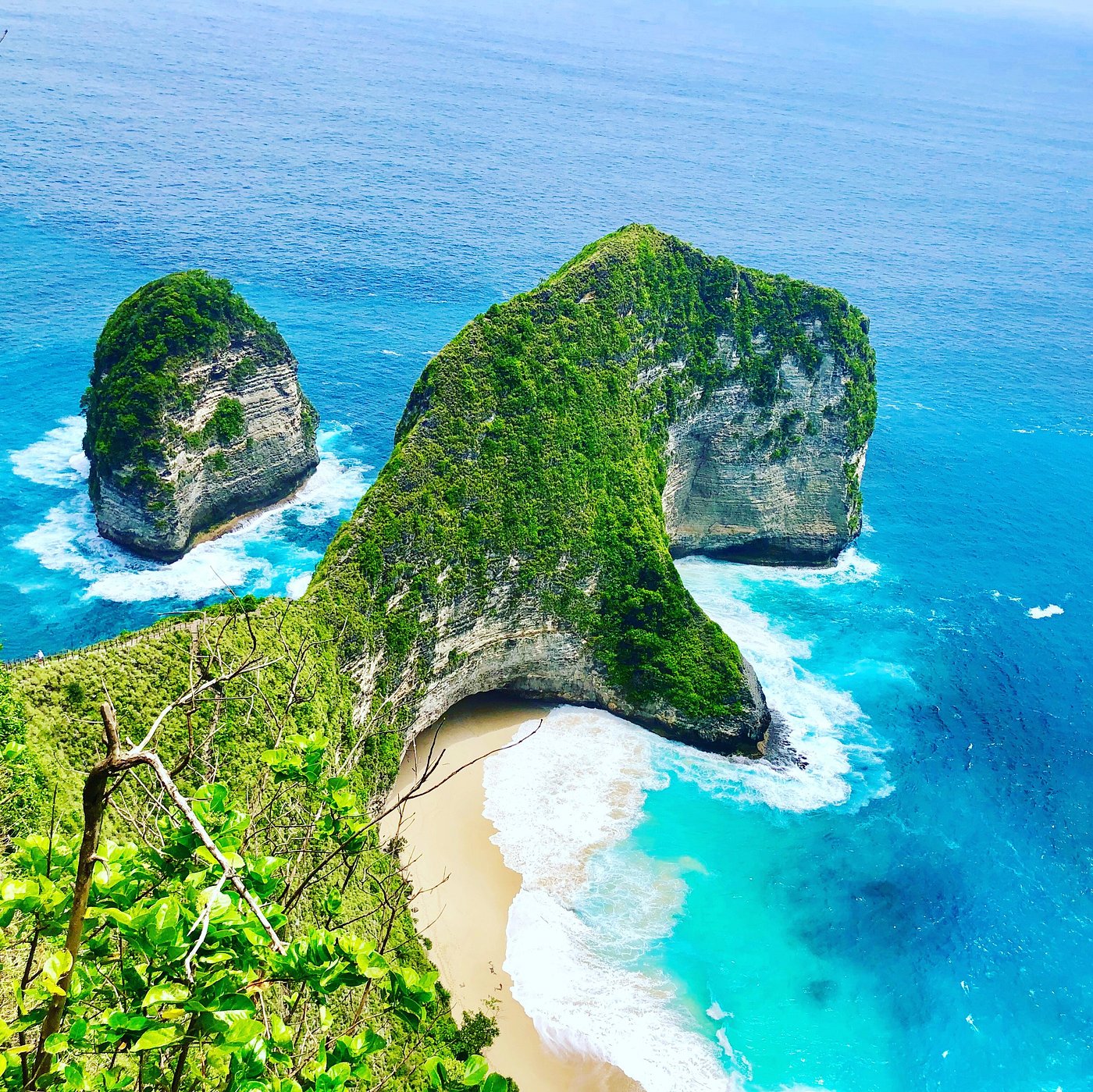
Best visited April–October, when the boat crossing from Sanur is smoother and cliffside viewpoints like Kelingking aren’t shrouded in mist.
Wahid’s Local Insight Tip Book the earliest boat crossing (around 7–730 AM) to Nusa Penida — seas are calmer, and you’ll beat both the crowds and the afternoon swell.
🎭 Bali Festivals & Cultural Dates That Can Change Your Travel Plans
Nyepi (Day of Silence) is the single most important date to plan around. In 2027, Nyepi falls on Tuesday, March 9, and for 24 hours the entire island, including the airport, shuts down completely — no flights, no lights, no movement outside your hotel grounds.
Galungan and Kuningan, marking the return and departure of ancestral spirits, fall twice in 2027 January 13 and 23, and again on August 11 and 21. Unlike Nyepi, the island stays fully open, though some banks and local shops close briefly.
Should you seek these dates out or avoid them My advice avoid travelling on Nyepi itself unless you specifically want that reflective, offline experience, but actively seek out Galungan and Kuningan if cultural immersion is on your list — the penjor-lined streets in Ubud and Sidemen are genuinely worth timing a trip around.
💰 Cheapest Time to Visit Bali
February and November consistently offer the lowest hotel, villa, and tour rates across the island, since these fall in the quieter stretch of wet season without a major holiday spike.
Flight-wise, aggregator data has repeatedly flagged September and October as low-fare months on routes from India, giving you dry-season weather at a near-off-season price point.
Here’s the distinction most guides miss cheapest doesn’t always mean best value. A February trip might save you money on rooms, but a canceled Nusa Penida crossing or three straight rainy days can cost you experiences no discount makes up for. Weigh the savings against what you’ll actually miss.
💵 How Much Does a Bali Trip Cost by Season
These are indicative per-person estimates for a standard mid-range trip, not fixed prices — always check live rates before booking.
Category Low Season Est. (INR) High Season Est. (INR)
———
Return Flight (India–Bali) ₹22,000–₹30,000 ₹35,000–₹55,000
HotelVilla (per night) ₹2,500–₹5,000 ₹5,000–₹10,000+
Meals (per day) ₹1,200–₹2,000 ₹1,500–₹2,500
Activities & Tours (per day) ₹1,500–₹2,500 ₹2,000–₹3,500
⚖️ Best Bali Travel Windows Based on Your Priorities
If You Want Consider
——
Best overall balance May, June, or September
Guaranteed dry weather July or August
Lowest prices February or November
Fewest crowds February or first three weeks of November
Cultural immersion June or January (Galungan season)
Best surf conditions May–September
Best diving visibility August–October
⏳ How Many Days Do You Need in Bali
For a short, weather-flexible trip, 5–6 days works fine during dry season, since you have less need for backup rainy-day plans. If you’re travelling in wet season, stretch to 7–9 days, which gives you enough buffer to absorb a couple of rained-out afternoons without losing your itinerary’s core highlights.
🎒 Seasonal Bali Planning Tips
– Pack light cottons, a compact rain shell, and reef-safe sunscreen for any month
– Book Ubud and Uluwatu villas 3+ months ahead for July, August, or late December travel
– Build one flexible, indoor-friendly day into wet-season itineraries as a rain buffer
– Group your days by region (Ubud days together, South Bali days together) to cut down on cross-island traffic time
– Carry cash in small denominations; rural warungs and temple donation boxes rarely accept cards
🇮🇳 Best Time to Visit Bali From India
For Indian travellers, timing intersects with two extra factors school holidays and flight seasonality. May–June aligns with summer break, while October overlaps with Diwali travel demand, both of which push fares and villa rates upward from major hubs.
On flight connectivity, IndiGo runs a daily direct Bengaluru–Denpasar service, and Air India operates a daily direct Delhi–Denpasar flight covering the route in roughly 7 hours 30 minutes. Travellers from Mumbai, Chennai, and Kolkata will generally connect via Singapore, Kuala Lumpur, or Jakarta unless flying out of Delhi or Bengaluru.
On entry requirements, Indian passport holders need a Visa on Arrival or e-VoA, priced at IDR 500,000 (approximately ₹2,800), valid for 30 days and extendable once for another 30. A separate Bali Tourist Levy of IDR 150,000 (approximately ₹800) applies to every visitor and is best paid online before arrival.
5-Day Highlights Itinerary (suited to a Delhi or Bengaluru direct-flight arrival)
– Day 1 Arrive, settle into Canggu or Seminyak
– Day 2 Uluwatu cliffs, sunset Kecak performance
– Day 3 Ubud — Tegallalang terraces, Monkey Forest
– Day 4 Nusa Penida day trip (early boat crossing)
– Day 5 Beach morning, departure
7-Day Explorer Itinerary
– Days 1–2 South Bali (CangguUluwatu)
– Days 3–4 Ubud and Sidemen (culture, rice terraces)
– Day 5 Nusa Penida overnight
– Day 6 North Bali (Lovina, dolphin watching)
– Day 7 Return to South Bali, departure
🏁 Final Verdict — When Should You Actually Visit Bali
If you’re still deciding on the best time to visit Bali, run through this quick checklist before you book.
– Want guaranteed sunshine and don’t mind crowds Book July or August, early.
– Want the smartest overall balance Choose May, June, or September.
– Working with a tight budget February or November will stretch it furthest.
– Chasing cultural depth Time your trip around Galungan, not Nyepi.
– Travelling with young kids or a packed itinerary Stick to dry season, April through October.
There’s no single perfect month, only the month that fits what you’re actually optimising for.
❓ Frequently Asked Questions
What is the best month to visit Bali overall
May, June, and September consistently offer the best balance of dry weather, manageable crowds, and prices below the July–August peak, making them the strongest all-round picks for most travellers.
Is Bali too crowded in July and August
Yes, relative to other months. July and August bring the driest weather but also the heaviest tourist volume, so expect higher prices, packed beach clubs, and the need to book villas and flights well in advance.
What is the rainiest month in Bali
January typically records the heaviest and most frequent rainfall, followed closely by February, both falling within Bali’s core wet season.
Can I visit Bali in December
Yes, but plan carefully. Early December stays relatively quiet and wet, while the final two weeks turn into peak season with the highest prices of the year, so book well ahead if travelling around Christmas or New Year.
Does it rain every day during wet season
No. Wet season showers are usually brief and concentrated in the late afternoon or overnight, leaving plenty of clear morning hours for sightseeing and beach time.
What is Nyepi and should I avoid travelling then
Nyepi is Bali’s Day of Silence, when the entire island, including the airport, shuts down for 24 hours. Avoid it only if you need to move around freely that day; otherwise it’s a unique, reflective experience worth witnessing from your hotel.
When is Nyepi in 2027
Nyepi 2027 falls on Tuesday, March 9, with the airport closed and no flights operating for the full 24-hour period.
What are Galungan and Kuningan
Galungan and Kuningan are major Balinese Hindu festivals marking the arrival and departure of ancestral spirits, observed with penjor decorations, temple visits, and family gatherings across the island.
Is Bali safe to visit during monsoon season
Yes, generally. Standard precautions apply around flash flooding in low-lying areas and rougher seas for boat crossings, but the island remains fully operational and safe for typical tourist activities.
What is the cheapest time to fly to Bali from India
September and October have repeatedly shown up as lower-fare months on India–Bali routes, combining dry-season weather with softer pricing than the July–August peak.
Do Indians need a visa for Bali
Yes. Indian passport holders require a Visa on Arrival or e-VoA, costing IDR 500,000 (around ₹2,800), valid for 30 days and extendable once for a further 30 days.
How many days are enough for a Bali trip
5–6 days works well during dry season, while 7–9 days is recommended in wet season to build in a buffer for the occasional rained-out day.
What is the best time to visit Ubud
April through June or September shows Ubud’s rice terraces at their greenest without the heaviest monsoon disruption, making these the strongest months for the region.
When should I visit Nusa Penida
April to October offers the calmest boat crossings and clearest viewpoint visibility, since wet-season swells can disrupt or delay the Sanur–Penida ferry.
Is Bali good for a honeymoon in May
Yes, very much so. May combines dry, sunny weather with moderate crowds and rates that haven’t yet hit the July–August peak, making it one of the strongest honeymoon windows.
What is the best month for surfing in Bali
May through September delivers the most consistent swells, particularly around Uluwatu and Padang Padang, thanks to steady dry-season wind and wave patterns.
Are flights from India to Bali direct
Partially. IndiGo flies direct daily from Bengaluru, and Air India flies direct daily from Delhi; travellers from Mumbai, Chennai, or Kolkata usually connect via Singapore, Kuala Lumpur, or Jakarta.
Should families visit Bali during peak season
Not necessarily. Families can save significantly and still get good weather by choosing shoulder months like May, June, or September instead of the crowded July–August or late-December peaks.
—
Bali rewards travellers who plan around what actually matters to them, not around a generic anytime is fine line. Whichever window you pick, I hope this breaks the decision down enough to book with real confidence.
For visa paperwork before you fly, see our [Bali Visa Guide for Indian Travelers](httpsxploreheaven.com), and for what to pack across seasons, check our [Ultimate Bali Packing List](httpsxploreheaven.com).
—
About the Author
Wahid Ali is a seasoned travel professional and Operations Lead at Astamb Holidays, Mumbai. With extensive experience in crafting travel experiences and destination insights, Wahid combines practical travel logistics expertise with engaging storytelling to help travelers explore hidden gems across India and beyond. His work blends expert travel planning with a passion for culturally rich and nature-oriented destinations.
Connect with Wahid Ali on LinkedIn: (httpswww.linkedin.cominwahid-ali-2aa84022)
Editorial accuracy is maintained through industry data analysis and firsthand destination expertise. While seasonal trends are reliable, tropical weather remains subject to short-term variations.
This article is backed by authoritative sources and research
1. [Indonesian Directorate General of Immigration — e-Visa Portal](httpsevisa.imigrasi.go.id)
2. [Bali Tourist Levy — Official Love Bali Portal](httpslovebali.baliprov.go.id)
3. [BMKG — Indonesian Meteorological, Climatological and Geophysical Agency](httpswww.bmkg.go.id)
4. [Ministry of Tourism, Republic of Indonesia](httpskemenparekraf.go.id)
5. [Embassy of India, Jakarta — Travel Advisories](httpswww.eoi.gov.injakarta)
6. [Indonesia All-Indonesia Arrival Card Portal](httpsallindonesia.imigrasi.go.id)
7. [Lonely Planet — Bali Travel Guide](httpswww.lonelyplanet.comindonesiabali)
8. [National Geographic — Indonesia Travel](httpswww.nationalgeographic.comtraveldestinationindonesia)
9. [IndiGo — International Flight Network](httpswww.goindigo.in)
10. [Air India — Delhi to Denpasar Route Information](httpswww.airindia.com)
11. [Skyscanner — Bali (Denpasar) Flight Data](httpswww.skyscanner.co.in)
12. [Ngurah Rai International Airport — Official Information](httpsbali-airport.com)
13. [Bali Provincial Government — Public Holiday Calendar](httpswww.baliprov.go.id)
14. [Wikipedia — Nyepi (Balinese Day of Silence)](httpsen.wikipedia.orgwikiNyepi)
15. [Wikipedia — Kuningan (Bali)](httpsen.wikipedia.orgwikiKuningan_(Bali))






Leave a Reply