 >
>

Can Dubai Tourist Visa Be Rejected? Real Reasons & Fixes (What Most Applicants Miss)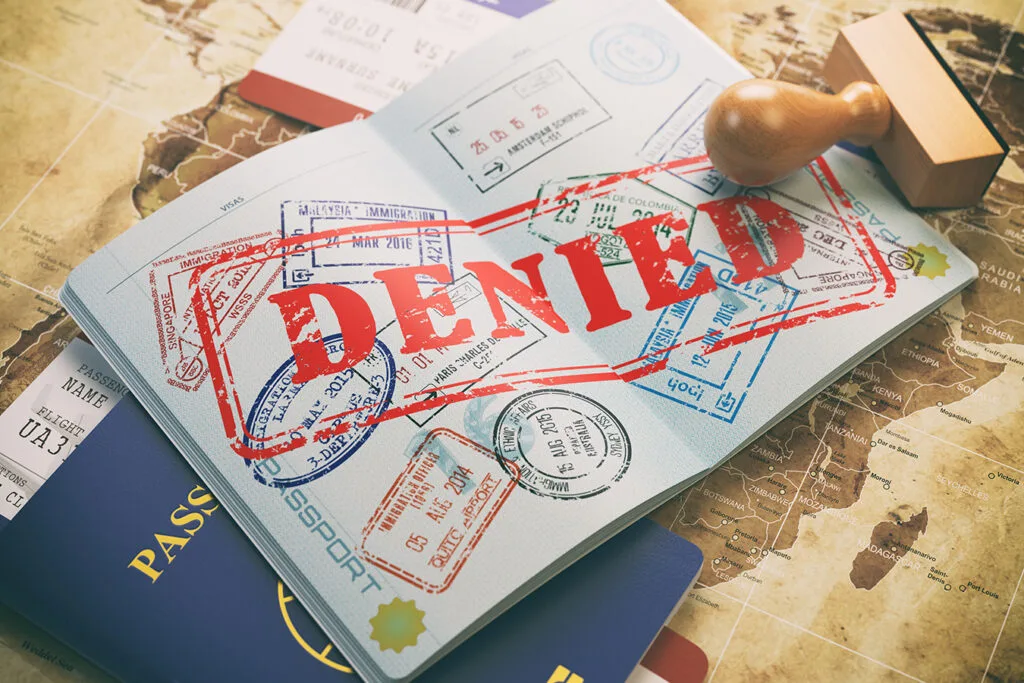
Planning your dream vacation to Dubai? Here’s something you need to know upfront: Yes, your Dubai visa can get rejected – and it’s happening more often than you think.
If you’re an Indian passport holder getting ready to apply for a Dubai visa, this isn’t meant to scare you. It’s meant to prepare you. Recent data shows that rejection rates have climbed from a comfortable 1-2% to around 5-6% for many Indian travelers [Cite: GDRFA Dubai Immigration Statistics 2024-2025]. That’s roughly 1 in every 20 applications getting turned down.
Why the sudden jump? UAE immigration authorities have tightened their screening process. New rules around hotel bookings, return tickets, and financial proof mean that small mistakes – ones that wouldn’t have mattered two years ago – can now result in a big red “REJECTED” stamp on your application.
But here’s the good news: most rejections are completely avoidable. The problem isn’t that Dubai doesn’t want tourists (they absolutely do!). The problem is that applicants don’t know what the GDRFA (General Directorate of Residency and Foreigners Affairs) is really looking for in 2025.
This guide breaks down the real reasons behind Dubai tourist visa rejection, the red flags that trigger extra scrutiny, and – most importantly – the exact fixes that work. Whether you’re a first-time traveler, a solo woman under 25, or someone reapplying after a rejection, you’ll find practical answers here.
Let’s get straight into what’s actually causing these rejections and how you can sidestep every single pitfall.
Why Dubai Tourist Visa Applications Get Rejected — Common Reasons
-
Documentation Errors (The Silent Killers)
Your passport might be valid for travel, but is it valid for visa processing? Here’s where most people slip up:

Passport Validity Issues: UAE immigration requires your passport to be valid for at least 6 months from your date of entry. If your passport expires in 4 months, your application gets rejected – no exceptions. Indian passport holders often miscalculate this, thinking
the validity date is from the application date rather than the travel date.
Blurry or Incomplete Scans: Imagine reviewing hundreds of passport scans daily. Now imagine trying to read one that’s cropped, shadowy, or taken at an angle. GDRFA systems often use automated scanning technology that can’t process poor-quality images. Your perfectly legitimate passport becomes unreadable, and the application gets flagged for rejection.
Handwritten Passports: If you’re carrying one of the older handwritten Indian passports (issued before 2001), you’re at higher risk. While these are technically valid, UAE authorities prefer machine-readable passports (MRP) because they can verify details faster. Some visa processing systems automatically flag handwritten passports for manual review, which increases processing time and rejection chances.
Missing Pages or Unclear Stamps: Your passport scan must show all relevant pages clearly – the bio page, any existing UAE visa pages, and pages with stamps from previous international trips. Missing even one page can raise suspicion.
-
Travel Plan Inconsistencies (Red Flags for Immigration)

No Confirmed Return Ticket: This is huge. Until recently, showing “intent to book” a return flight was acceptable. Not anymore. As of 2024-2025, UAE tourist visa applications require proof of a confirmed, paid return ticket before visa approval. The ticket dates must match your visa duration exactly.
Why? Overstaying has become a serious concern for UAE authorities. They want proof you’re leaving on time. A screenshot of flight options or a “tentative booking” won’t cut it.
Mismatched Dates: Your hotel booking says you’re staying 5 days, but your return flight is booked for 10 days later. Or your visa application states you’re arriving on March 15, but your flight is on March 20. These mismatches trigger immediate red flags. Immigration officers see this and wonder: “What is this person really planning?”
Hotel Booking Without QR Code: Here’s a game-changer that most blogs don’t mention. Since late 2024, Dubai hotel bookings for visa approval must come with a verifiable QR code that links directly to the hotel’s registration system. This QR code proves your booking is genuine and registered with Dubai’s tourism authorities.
Cheap third-party booking sites or fake hotel confirmations (yes, people try this) don’t have these codes. Immigration systems now scan these QR codes during processing. No code = instant suspicion = likely rejection.
-
Financial Proof & Home Country Ties (Stability Matters)

Insufficient Bank Balance: While there’s no officially published minimum, visa officers look for consistent bank activity showing you can afford your trip. For a 7-day Dubai vacation, having ₹50,000-₹75,000 in your account with regular salary credits looks legitimate. Having ₹2,00,000 suddenly deposited two days before applying? That screams “borrowed money” and raises concerns.
Weak Employment or Unstable Income: If your bank statements show irregular deposits, frequent zero balances, or no clear income source, immigration wonders: “Can this person support themselves in Dubai? Will they overstay to find work?”
No Ties to India: This is subtle but critical. Visa officers assess whether you have strong reasons to return home. Property ownership, a stable job, family responsibilities – these matter. Young, unemployed, single applicants with minimal financial commitments are often flagged because there’s less pulling them back to India after their visa expires.
-
Previous Visa History (Your Record Follows You)

Uncancelled Previous UAE Visas: Got a Dubai work visa in 2019 that you never officially cancelled? That’s a problem. UAE’s immigration database tracks all your visas. An uncancelled visa suggests you might have overstayed or worked illegally. Even if you did nothing wrong, the system flags your new application until the old one is cleared.
Overstay History: Even a single day of overstay from a previous trip creates a black mark. UAE tourist visa rejection 2025 rules are particularly strict on this. If you overstayed and didn’t pay the fine (around AED 200-400 for short overstays), your new application will be automatically rejected until that’s resolved.
Previous Rejections: If you were rejected once and immediately reapply with the same documents, you’re wasting time and money. The system remembers. Unless you’ve fixed the original problem, the second application faces even higher scrutiny.
Deportation or Ban Records: This is rare but devastating. If you or someone with a similar name was deported or banned from UAE, it can affect your application. Name confusion happens more often with common Indian names.
Who Gets Extra Scrutiny? High-Risk Profiles
Let’s be honest about something uncomfortable: not all applicants are treated equally. UAE immigration authorities use risk profiling, and certain demographics face additional scrutiny. This isn’t personal – it’s policy based on historical overstay patterns.
Solo Female Travelers Under 25: If you’re a young woman traveling alone to Dubai, your application goes through extra verification layers. Why? Unfortunately, there have been cases of trafficking and illegal employment. To protect against this, UAE requires additional documentation:
- A No Objection Certificate (NOC) from parents or legal guardian
- Employment letter if working, or college enrollment letter if studying
- Sponsor letter if someone in Dubai is hosting you
- Detailed travel itinerary showing your accommodation and return plans
This doesn’t mean you can’t travel solo – thousands of young Indian women visit Dubai safely every year. It just means your paperwork needs to be flawless.
First-Time International Travelers: Never traveled abroad before? Your passport is “unskilled” in immigration terms. Officers can’t assess your travel behavior from past stamps, so they rely heavily on your documentation and financial proof. First-timers face rejection rates nearly double the average.
Solution: Demonstrate strong home ties. Include a letter from your employer stating your position and approved leave dates. Show consistent income over 6+ months. If possible, travel with family or friends rather than solo.
Unemployed or Self-Employed Applicants: Salaried employees with consistent income are easy to verify. Self-employed individuals or those between jobs? Much harder. Your bank statement might show good balances, but without regular salary credits, officers question the income source.
Solution: Provide business registration documents, Income Tax Returns (ITR) for the last 2 years, and a CA-certified financial statement. For unemployed applicants, a sponsor letter from the person funding your trip (with their bank statements) helps tremendously.
Travelers from Specific States or Backgrounds: While never officially stated, anecdotal evidence from visa agents suggests that applicants from certain Indian states with higher historical overstay rates face slightly longer processing and stricter checks. This is profiling based on data, not discrimination, but it’s a reality.
New 2024-2025 Rules & What Changed (Trend Analysis)
The Dubai visa rejection rate hasn’t always been this high. What changed?
The QR Code Revolution: Starting in late 2024, Dubai implemented a mandatory QR code system for hotel bookings used in visa applications. This code connects directly to Dubai’s Department of Tourism and Commerce Marketing (DTCM) database. When you submit your visa application, the processing system scans this code to verify:
- The hotel is licensed and legitimate
- Your booking is genuine and paid (not just reserved)
- The dates match your visa application and return ticket
- The booking hasn’t been cancelled
This single change eliminated thousands of fraudulent applications that used fake hotel confirmations. But it also caught legitimate travelers off-guard who didn’t know about this requirement.
Where to get QR-coded hotel bookings: Book directly through hotel websites or use authorized platforms like Booking.com (confirming the QR code is included in your confirmation). Budget aggregator sites often don’t provide these codes. [Cite: DTCM Official Hotel Booking Guidelines 2024]
Stricter Financial Scrutiny: In 2023, showing a basic bank statement was often enough. Now, UAE tourist visa financial proof requirements are much more detailed:
- Statements must cover the last 3-6 months (not just one month)
- Large sudden deposits raise red flags
- Officers look for consistent income patterns, not just current balance
- Credit card statements are no longer accepted as primary proof
Return Ticket Mandate: Previously, you could apply for a visa, get approved, then book your flights. The new policy flips this. You must book (and pay for) a confirmed return ticket before applying. The risk? If your visa gets rejected, you’ve already paid for flights you can’t use.
Many airlines offer flexible tickets or travel insurance that covers visa rejections, but these cost more. Budget travelers often skip this, then face rejection for not having confirmed return tickets – a catch-22 situation.
Increased Processing Times: What used to take 2-3 working days now regularly takes 5-7 days because of enhanced verification. Rush processing is available but costs significantly more (₹3,000-₹5,000 extra per application).
Why These Changes?: Dubai welcomed over 17 million tourists in 2023 and is targeting 25 million by 2025. [Cite: Dubai Tourism Statistics 2023] With this growth came challenges – overstaying, illegal employment, and visa fraud increased. These stricter rules are Dubai’s way of maintaining tourism quality while controlling illegal immigration.
Pre-Submission Checklist — How to Minimize Risk of Rejection (The “Fixes”)
Ready to apply? Don’t hit submit until you’ve checked every single item on this list.
✅ Document Verification

Passport Check:
- Valid for at least 6 months from your date of entry to Dubai (not just from today)
- Machine-readable (preferred) with clear, uncropped, high-resolution color scans
- All pages with stamps, visas, or annotations scanned completely
- No damage to the bio page or barcode area
Photograph Requirements:

- Recent passport-size photo (taken within last 6 months)
- White background, 80% face coverage
- No glasses, no smile, no head coverings (unless religious, and then with exceptions)
- Digital format with proper resolution (not phone camera photos of printed pictures)
✅ Financial Documentation
Bank Statements:
- Last 6 months of transactions from your primary salary account
- Minimum balance should reasonably cover your trip costs (₹50,000-₹1,00,000 for a week-long trip)
- Regular income deposits clearly visible
- Avoid large last-minute deposits (if unavoidable, include a letter explaining the source)
Employment Proof (if employed):
- Original leave approval letter on company letterhead
- Letter stating your designation, salary, and length of employment
- Contact details of your HR department for verification
Additional for Self-Employed/Business Owners:
- Business registration certificate
- GST registration documents
- Last 2 years of Income Tax Returns (ITR)
- CA-certified bank statements
✅ Travel Plan Documentation
Flight Booking:
- Confirmed, paid return ticket (e-ticket with PNR)
- Dates must match your visa duration request exactly
- Booking must be in your name exactly as it appears in your passport
- Consider refundable tickets or travel insurance covering visa rejection
Hotel Booking with QR Code:
- Book through verified platforms (hotel direct website, Booking.com, or authorized agents)
- Confirmation must include the mandatory QR code for DTCM verification
- Dates must match your flight dates exactly (no gaps)
- For stays with friends/family: get a sponsor letter attested by a typing center in Dubai, plus a copy of sponsor’s Emirates ID
Travel Insurance (highly recommended):
- Coverage of at least $50,000 for medical emergencies
- Includes COVID-19 coverage (still required as of 2025)
- Policy document clearly showing your name and travel dates
✅ Additional Documentation for High-Risk Profiles
For Solo Women Under 25:
- Notarized No Objection Certificate from parents/legal guardian
- Copy of parent’s ID proof
- Detailed day-by-day travel itinerary
- Contact details of accommodation in Dubai
For First-Time Travelers:
- Detailed cover letter explaining the purpose of visit
- Stronger financial proof (higher bank balance, sponsored trip documentation)
- Letter from employer with approved leave and return commitment
For Previously Rejected Applicants:
- Wait at least 30 days before reapplying
- Correct the original rejection reason with proof
- Include a cover letter addressing what you’ve fixed
- Consider applying through a licensed visa agency for better scrutiny
✅ Final Pre-Submission Actions
Clear Old Visa History:
- Check UAE immigration website for any uncancelled previous visas
- Pay any pending overstay fines (these block new applications)
- Get deportation or ban status clarified if you’re unsure
Double-Check All Dates:
- Visa application dates = Flight dates = Hotel dates
- Your passport doesn’t expire within 6 months of your return date
- Your proposed travel dates are at least 7-10 days from application date (processing time)
Choose Your Application Method Wisely:
- Applying directly through airlines (Emirates, etc.) is cheaper but offers zero support if rejected
- Licensed visa agencies like Astamb Holidays cost slightly more but handle documentation, verification, and resubmission if needed
- For complex cases (previous rejections, high-risk profiles), agencies have a much higher approval rate
If Your Dubai Tourist Visa Is Rejected — What To Do Next
Got the dreaded rejection email? Take a deep breath. This isn’t the end of your Dubai dream.
Step 1: Check Your Rejection Status and Reason
Through Your Visa Agent: If you applied through an agency or airline, they’ll receive the rejection notification from GDRFA with a reason code. Request this detailed rejection reason immediately – don’t accept vague answers like “documents were not proper.”
Directly Through GDRFA: If you applied through official channels, check the GDRFA Dubai website [Cite: https://www.gdrfad.gov.ae] using your application reference number. The portal shows application status and sometimes basic rejection reasons.
Common Rejection Codes:
- “Invalid Documents”: Passport issue, photo issue, or unclear scans
- “Insufficient Information”: Missing hotel booking, return ticket, or financial proof
- “Security Concerns”: Previous overstay, uncancelled visa, or name match with blacklisted individuals
- “Does Not Meet Requirements”: Usually means weak financial proof or suspicious travel history
Step 2: Understand That Appeals Are Rarely an Option
Here’s the hard truth that most blogs won’t tell you: Dubai tourist visa rejections cannot be formally appealed. Unlike some countries with appeal processes, UAE tourist visas are processed under a “grant or reject” system with no middle ground.
Why no appeals?: Tourist visas are considered privileges, not rights. UAE authorities make final decisions based on their security and immigration policies. There’s no tribunal or review board for tourist visa appeals.
Your Only Option: Reapplication. But before you rush to reapply, you must fix the problem that caused rejection.
Step 3: Diagnose and Fix the Actual Problem
For Documentation Errors:
- Get new, high-resolution passport scans (use a proper scanner, not phone camera)
- Take fresh passport photos meeting all specifications
- If your passport validity is borderline, consider renewing it before reapplying
For Financial Proof Issues:
- Wait until your next 2-3 salary deposits show in your account
- Build your bank balance gradually over 2-3 months
- Add supplementary documents: property papers, fixed deposits, sponsor letters
- If self-employed, get CA-certified statements
For Travel Plan Inconsistencies:
- Rebook your hotel through verified platforms with QR codes
- Confirm return tickets with dates matching your hotel stay exactly
- Get detailed travel insurance documents
For Visa History Problems:
- Contact UAE immigration to cancel old visas formally (costs around AED 100-150)
- Pay any pending overstay fines (these can be paid online through GDRFA portal)
- If there’s a ban or blacklist issue, you may need legal assistance in UAE (this is rare and serious)
Step 4: Decide Whether to DIY or Use a Licensed Agency
Reapplying Yourself:
- Pros: Cheaper by ₹2,000-₹5,000
- Cons: No expert review of your documents, same risk of second rejection, no support if issues arise
Using a Licensed Agency (like Astamb Holidays):
- Pros: Expert document review, higher approval rates (agencies know exactly what GDRFA looks for), handling of complex cases, resubmission support
- Cons: Higher cost (₹3,000-₹6,000 more than DIY)
When Agencies Make Sense: If you were rejected once, have a high-risk profile, or have complex visa history, agencies are worth every rupee. Their approval rates for reapplications are typically 85-90% compared to 50-60% for DIY attempts. [Cite: UAE Visa Processing Industry Data 2024]
Step 5: Wait Before Reapplying
Minimum Waiting Period: 30 days. Reapplying immediately flags your application as “repeat rejected” and faces even stricter scrutiny.
Ideal Waiting Period: 60-90 days. This gives you time to:
- Build a stronger financial profile
- Gather additional documentation
- Clear any pending visa issues
- Let the rejection “age” in the system
Can You Apply for Different Visa Types?: Yes. If your tourist visa was rejected, you could try a transit visa (if you’re genuinely transiting through Dubai) or a visit visa sponsored by a friend/family member in UAE. These have different requirements and separate approval processes.
Step 6: Document Everything for Round Two
When reapplying after rejection, your application needs to be bulletproof:
Include a Cover Letter: Briefly explain that you’re reapplying after a previous rejection, state what the issue was, and explain how you’ve resolved it. Keep it factual and concise (one page maximum).
Upgrade Your Documentation:
- Better financial proof than before
- More comprehensive travel insurance
- Additional letters (employment, sponsor, etc.)
- Certified translations if any documents are in regional languages
Triple-Check Everything: One small mistake on a reapplication often leads to permanent flagging of your profile.
Scenario-Based Advice for Indian Applicants (Unique Value)
Scenario 1: First-Time Traveler with No International Stamps
Your Challenge: You’ve never left India. Your passport is empty. You have a stable job and decent savings, but immigration might question why Dubai is your first international destination.
The Fix:
- Emphasize Home Ties: Get a detailed employment letter stating your position, tenure (ideally 1+ years), and approved leave with return date
- Show Financial Stability: 6 months of salary credits, not just current balance
- Travel in a Group: If possible, coordinate your trip with family or friends who have travel history
- Book a Structured Tour: Consider booking through Astamb Holidays or similar DMCs that provide complete itineraries – this shows you’re a genuine tourist with planned activities
- Include a Cover Letter: Explain your excitement about Dubai, your planned activities, and your intention to return to your job in India
Additional Tip: Some first-timers successfully visit nearby countries like Thailand or Sri Lanka first to get international stamps, then apply for Dubai visa. While not mandatory, it reduces the “risk score” in immigration systems.
Scenario 2: Solo Female Traveler Under 25
Your Challenge: You’re young, traveling alone, and fall into a high-scrutiny category. You don’t want to cancel your trip, but you’re aware of the additional requirements.
The Fix:
- NOC is Non-Negotiable: Get a notarized No Objection Certificate from your parents. Format should include:
- Your full name and passport number
- Your parents’ names and ID proof numbers
- Statement that they permit and are aware of your solo travel to Dubai
- Their contact information
- Both parents’ signatures with date
- Detailed Itinerary: Create a day-by-day plan showing:
- Hotel name and address (must match your booking)
- Activities planned (Dubai Mall, Burj Khalifa, desert safari, etc.)
- Transportation arrangements
- Emergency contact in Dubai (even if it’s just your hotel’s number)
- Employment/Student Proof:
- If working: employment letter with leave approval
- If studying: bonafide certificate from your college/university
- If neither: explain your current status honestly with sponsor letter
- Upgrade Your Accommodation: Stay at reputed hotels, not budget hostels. Immigration perceives established hotel chains as safer for solo female travelers.
- Travel Insurance: Get comprehensive coverage showing you’re prepared and responsible.
Real Talk: Many young Indian women successfully travel solo to Dubai. The documentation seems excessive, but it’s UAE’s way of ensuring your safety. Don’t view it as discrimination – view it as protection.
Scenario 3: Frequent UAE Visitor with Previous Overstay
Your Challenge: You’ve visited Dubai multiple times. On one trip, you overstayed by 3 days due to a last-minute flight change. You paid the fine at the airport, but now your new visa application is rejected.
The Fix:
- Verify Fine Payment: Check the GDRFA portal to confirm your overstay fine was actually processed and cleared. Sometimes airport payments don’t immediately update in the system.
- Get Official Clearance: If the fine shows as pending, pay it online through the GDRFA website. You’ll receive a clearance certificate – include this with your reapplication.
- Explain the Situation: Include a brief letter explaining:
- The reason for overstay (flight cancellation, medical emergency, etc.)
- That you paid the fine immediately
- Your previous clean travel history
- Why you should still be considered a low-risk visitor
- Stronger Documentation This Time: Since your profile is flagged, you need to work harder:
- Show strong financial proof (higher balance than minimum)
- Include employment letter stating you have approved leave with fixed return date
- Book slightly shorter trip duration than your visa validity to show you’re not planning to push limits
- Use a Licensed Agent: For profiles with overstay history, agencies like Astamb Holidays know how to present your case favorably to GDRFA.
Important: Even a single day of overstay creates a “red mark” that lasts 2-3 years in UAE’s system. Some agents suggest waiting 6-12 months after clearance before reapplying for better chances.
Scenario 4: Budget Traveler with Low Bank Balance
Your Challenge: You’ve saved ₹40,000 for a 5-day Dubai trip (which is genuinely enough for a budget vacation), but your monthly salary is ₹25,000 and your bank balance fluctuates. You’re worried this looks insufficient.
The Fix:
- Timing is Everything: Don’t apply right after a major expense. Wait until your account has 2-3 consistent salary deposits.
- Show Total Available Funds: If you have:
- Fixed deposits: Get FD certificates
- Savings with family: Get a sponsor letter from a parent/sibling with their bank statements
- Credit cards: While not primary proof, a credit card statement showing good limit and payment history adds credibility
- Detailed Budget Breakdown: Create a simple budget showing:
- Hotel cost (pre-paid)
- Flight cost (pre-paid)
- Daily expenses estimate (₹3,000-₹5,000 per day is realistic for budget travel)
- Emergency buffer
- This shows you’ve planned thoughtfully
- Pre-Book and Pre-Pay More: The more expenses you’ve already paid (hotel, flights, activities), the less liquid cash immigration expects you to show.
- Travel Insurance: Comprehensive insurance shows financial preparedness even with limited funds.
- Consider Sponsored Visit: If you have a friend or relative in Dubai with a stable job, a sponsored visit visa might be easier to get than a tourist visa. The sponsor takes financial responsibility.
Reality Check: Dubai is expensive, and immigration knows this. If your financial proof suggests you genuinely can’t afford the trip, they may reject assuming you’ll overstay to work illegally. Be honest about your budget but show you’ve planned every detail.
Frequently Asked Questions (FAQs)
Q1: If my hotel booking gets cancelled before my visa gets processed, can my visa still be rejected?
A: Absolutely, yes. This is a common trap. You book a refundable hotel to save money, visa processing takes 5-7 days, you cancel the hotel to rebook cheaper later – and suddenly your visa is rejected.
Here’s why: During processing, GDRFA systems automatically verify your hotel booking’s QR code with Dubai’s tourism database. If the booking shows as “cancelled” or “invalid” during this verification (even if it was valid when you applied), your application fails the check.
Solution: Never cancel hotel bookings until your visa is approved and you have the visa copy in hand. If you absolutely must make changes, contact your visa agency first to understand the implications. Some hotels offer free cancellation up to 24-48 hours before check-in – use this window only after visa approval.
Q2: I have an old UAE visa that I never used. Will that cause rejection now?
A: It might, yes. Unused visas, especially work or residence visas, raise questions. Why didn’t you use it? Did circumstances change? Were you planning something else?
More importantly: If that old visa was never officially cancelled, it technically exists in UAE’s immigration database as “active.” When you apply for a new tourist visa, the system sees this “active” visa and flags a conflict – one person can’t have two active visas simultaneously.
Solution:
- Log into the GDRFA portal and check the status of all your previous UAE visas
- If any show as “active” but unused, you must get them cancelled (there’s a small fee, around AED 100)
- Once cancelled, you can apply for your tourist visa with a clean slate
- Include proof of cancellation with your new application if you’re reapplying after a rejection
Q3: Does a passport with only a first name (or no surname) cause rejection?
A: Not automatically, but it creates complications. Many Indians, especially from South India, have only one name in their passport. This is legally valid, but UAE’s immigration system is designed for a first name + surname format.
The Issue: Immigration officers sometimes struggle to enter single-name passports into their system. It shouldn’t cause outright rejection, but it may:
- Delay processing while they manually verify your identity
- Trigger additional documentation requests
- Occasionally lead to rejection if combined with other weak factors
Solution:
- If you haven’t gotten your passport yet, consider adding FNU (First Name Unknown) or LNU (Last Name Unknown) during application – this creates a two-part name structure
- If you already have a single-name passport, apply through a licensed visa agency that’s experienced with handling these cases
- Include additional ID proof (Aadhaar, PAN card, driving license) showing your name consistently
- In your visa application, put your full name in the “First Name” field and “FNU” in the “Last Name” field
Q4: How long do I need to wait before reapplying after rejection?
A: Officially, there’s no mandatory waiting period. Technically, you could reapply the next day. Practically? That’s a terrible idea.
Recommended Timeline:
- Minimum: 30 days. This shows you’ve taken time to fix the issue rather than just resubmitting the same application.
- Ideal: 60-90 days, especially if:
- Your rejection was due to weak financial proof (use this time to build your bank balance)
- You need to clear old visa issues or pay fines
- You’re a high-risk profile (first-timer, solo female, etc.) and need to gather stronger documentation
Why Waiting Helps: UAE’s visa system keeps records of rejected applications. Reapplying too quickly with insufficient changes triggers an automatic “repeat applicant” flag, which results in even stricter scrutiny. Immigration officers see your history and think, “This person didn’t fix the problem – why should we approve them now?”
When You Can Apply Sooner: If your rejection was due to a simple, easily fixable error (wrong passport scan, missing document that you now have), you might apply after 15-30 days. But still, consult with a visa agency before rushing.
Q5: Is there any appeal option for tourist visa rejection?
A: No, there is no formal appeal process for Dubai tourist visa rejections. This is consistent across all UAE emirates – tourist visas are processed on a “grant or deny” basis with no review or appeal mechanism.
Why No Appeals?:
- Tourist visas are considered a privilege, not a right
- UAE immigration makes sovereign decisions based on security and policy considerations
- The volume of applications (millions annually) makes individual appeals impractical
- Review systems exist only for residence visas, work visas, and serious immigration matters
What You Can Do Instead:
- Request detailed rejection reasons from your visa agent or the processing airline
- Correct the specific issues mentioned
- Reapply after the appropriate waiting period with improved documentation
- If you believe there’s a serious error (name mismatch with a blacklisted person, incorrect overstay record), you can:
- Contact GDRFA directly through their official channels
- Seek assistance from a legal consultant in UAE
- Provide proof of mistaken identity or incorrect records
- This is not an “appeal” but a request for record correction
Reality Check: Less than 2% of rejected applicants pursue formal record correction processes, and success rates are low unless there’s a clear, provable error in the system. For most people, fixing the issue and reapplying is the only realistic path forward.
Final Advice: Your Path to Visa Approval
Let’s wrap this up with the truth: Dubai visa rejection is not a mystery. It’s not bad luck. It’s not because immigration officials are being difficult. In almost every case, it’s because something in your application didn’t meet the 2024-2025 standards.
The good news? You now know exactly what those standards are.
If you take away just three things from this guide, make it these:
- Documentation is Everything: That hotel booking with a valid QR code, the confirmed return ticket matching your dates, the 6-month passport validity, the proper bank statements – these aren’t suggestions. They’re requirements. Missing even one can turn your dream vacation into a rejected application.
- Your Profile Matters: First-time travelers, solo young women, budget tourists, anyone with previous visa issues – you’re not being discriminated against, but you do face higher scrutiny. Accept this reality and prepare accordingly with stronger documentation, longer processing time expectations, and ideally professional visa assistance.
- When in Doubt, Get Expert Help: Applying for a Dubai visa costs money – application fees, flight bookings, hotel reservations. Getting rejected means losing much of that money and facing delays, stress, and the hassle of reapplication. For just ₹3,000-₹6,000 more, licensed visa agencies like Astamb Holidays review your documents, catch errors before submission, and handle the entire process with approval rates exceeding 90%.
Why Astamb Holidays?
As a licensed Destination Management Company with specialized expertise in Dubai visas, Astamb Holidays understands exactly what GDRFA looks for in applications. They handle hundreds of Indian tourist visas monthly, spotting red flags and documentation gaps that you might miss. More importantly, if your visa is rejected, they don’t just abandon you – they analyze the rejection, identify the fix, and handle reapplication at minimal additional cost.
For first-timers, high-risk profiles, or anyone who’s already faced rejection once, this peace of mind is priceless.
Your Dubai dream is absolutely achievable. Thousands of Indians travel there every month without issues. The difference between those who get approved and those who don’t isn’t luck – it’s preparation.
Take your time. Follow this guide. Get your documents right. And if you need support, reach out to professionals who do this every single day.
Ready to apply? Contact Astamb Holidays at [insert contact details] for a free document review and expert visa assistance. Your Dubai adventure is just a properly submitted application away.
References & Further Reading:
- GDRFA Dubai Official Portal – Check visa status, pay fines, verify requirements
- Dubai Department of Tourism & Commerce Marketing – Official tourism information and hotel verification
- UAE Embassy India Official Guidelines – Latest visa policies for Indian nationals
- Emirates Airlines Visa Processing – Direct airline visa application services
- [Cite: UAE Immigration Policy Updates 2024-2025] – Recent changes in tourist visa requirements
Disclaimer: Visa policies and requirements change frequently. All information in this article is accurate as of December 2025 based on official sources and current visa processing experiences. Always verify current requirements with official UAE government websites or licensed visa agencies before applying.
0





Leave a Reply