
Al Wathba Fossil Dunes Abu Dhabi: A Complete Visitor’s Guide
Imagine a desert landscape where the waves of sand were frozen in place four million years ago, creating towering ridges that tell the story of ancient winds and forgotten seas. Welcome to the Al Wathba Fossil Dunes, one of Abu Dhabi’s most extraordinary natural wonders that feels like stepping into another world entirely.
Just 45 minutes from Abu Dhabi city, these remarkable formations stand as silent sentinels in the desert, their weathered faces carved by millennia of wind and time. What makes this destination truly special isn’t just its otherworldly beauty—it’s the fact that Al Wathba dunes free entry makes this geological marvel accessible to every curious explorer.
Whether you’re a photography enthusiast chasing the perfect golden hour shot, a geology lover fascinated by ancient landscapes, or simply someone seeking a unique adventure away from the city’s bustle, this comprehensive Al Wathba fossil dunes guide is your key to unlocking one of the UAE’s best-kept secrets. I’ve explored these dunes countless times, and each visit reveals new details about this incredible landscape that continues to captivate visitors from around the world.
What Are the Fossil Dunes? A Journey Back in Time 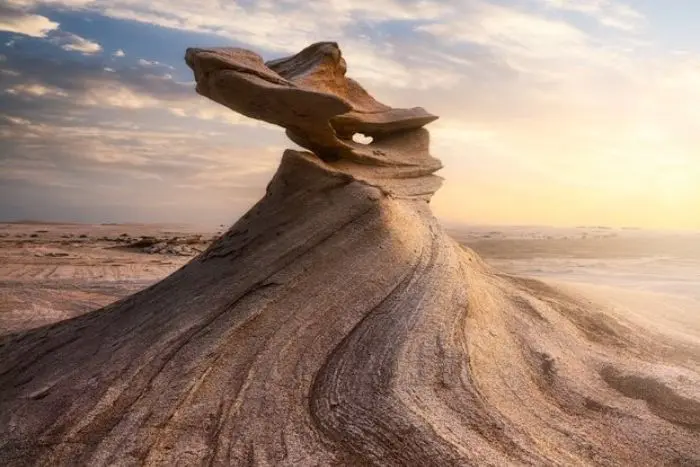
The first thing you’ll notice when approaching the Al Wathba Fossil Dunes is their striking appearance—these aren’t your typical golden desert dunes. Instead, they rise from the earth like ancient stone sculptures, their surfaces hardened and weathered into intricate patterns that seem almost too perfect to be natural.
But here’s the fascinating science behind their formation: approximately four million years ago, during the Pliocene epoch, this region was covered by shallow seas and coastal environments. As sea levels fluctuated, vast sand dunes formed along the ancient coastline. Over time, these dunes became lithified—essentially turning to stone—through a process where calcium carbonate from marine organisms cemented the sand grains together.
The result is what geologists call “eolianite”—fossilized sand dunes that preserve the exact shape and internal structure of their original form. When you run your hand along these formations, you’re literally touching layers of history, each ripple and ridge telling the story of winds that blew millions of years before humans walked the earth.
What makes the Al Wathba site particularly remarkable is its pristine preservation. These formations can reach heights of up to 40 meters and stretch across several square kilometers, creating a landscape that feels both alien and deeply familiar. The intricate cross-bedding patterns visible in the rock faces reveal the direction of ancient wind patterns, while occasional marine fossils embedded in the stone serve as reminders of the area’s oceanic past.
This incredible site is now protected as part of the UAE’s commitment to preserving its natural heritage. The Environment Agency – Abu Dhabi (EAD) manages the Al Wathba Fossil Dunes Protected Area as part of their broader eco-tourism Abu Dhabi initiatives, ensuring that future generations can experience this geological wonder while maintaining its delicate ecosystem.
The Complete Visitor’s Guide: How to Plan Your Visit
Getting There: Your Journey to the Past
Planning your visit to the Al Wathba Fossil Dunes requires a bit of preparation, but the journey is part of the adventure. Located approximately 45 kilometers southeast of Abu Dhabi city, the site is accessible via the E30 highway toward Al Ain.
From Abu Dhabi city center, take Sheikh Zayed Road (E11) east toward Al Ain, then merge onto the E30. After about 35 kilometers, you’ll see signs for Al Wathba. The most reliable GPS coordinates are 24.1968° N, 54.6171° E, though I always recommend downloading offline maps as cell service can be spotty in the desert.
Is 4×4 required for Al Wathba dunes? This is one of the most frequently asked questions, and the answer is nuanced. While the main access road is paved and suitable for regular vehicles, the final approach to the dunes involves about 2 kilometers of unpaved desert track. During my visits, I’ve successfully reached the site with a standard sedan during dry conditions, but I strongly recommend a 4×4 or high-clearance vehicle for several reasons:
- Desert conditions can change rapidly, and sand can accumulate on the track
- Heavy rains can make the unpaved sections challenging for low-clearance vehicles
- A 4×4 provides peace of mind and better mobility for exploring different viewpoints
- The desert environment is unforgiving if you get stuck
If you only have a regular car, consider visiting during dry seasons and travel with others who have 4×4 vehicles.
Know Before You Go: Essential Information
The beauty of the Al Wathba Fossil Dunes lies not just in their geological significance but also in their accessibility. Al Wathba fossil dunes opening hours are typically sunrise to sunset, though specific times can vary seasonally. The site offers Al Wathba dunes free entry, making it one of the most budget-friendly natural attractions in the UAE.
For the most current information on opening hours and any special closures, I recommend checking the official Experience Abu Dhabi website before your visit, as seasonal adjustments or conservation activities can occasionally affect access.
Al Wathba dune best time to visit depends on your priorities: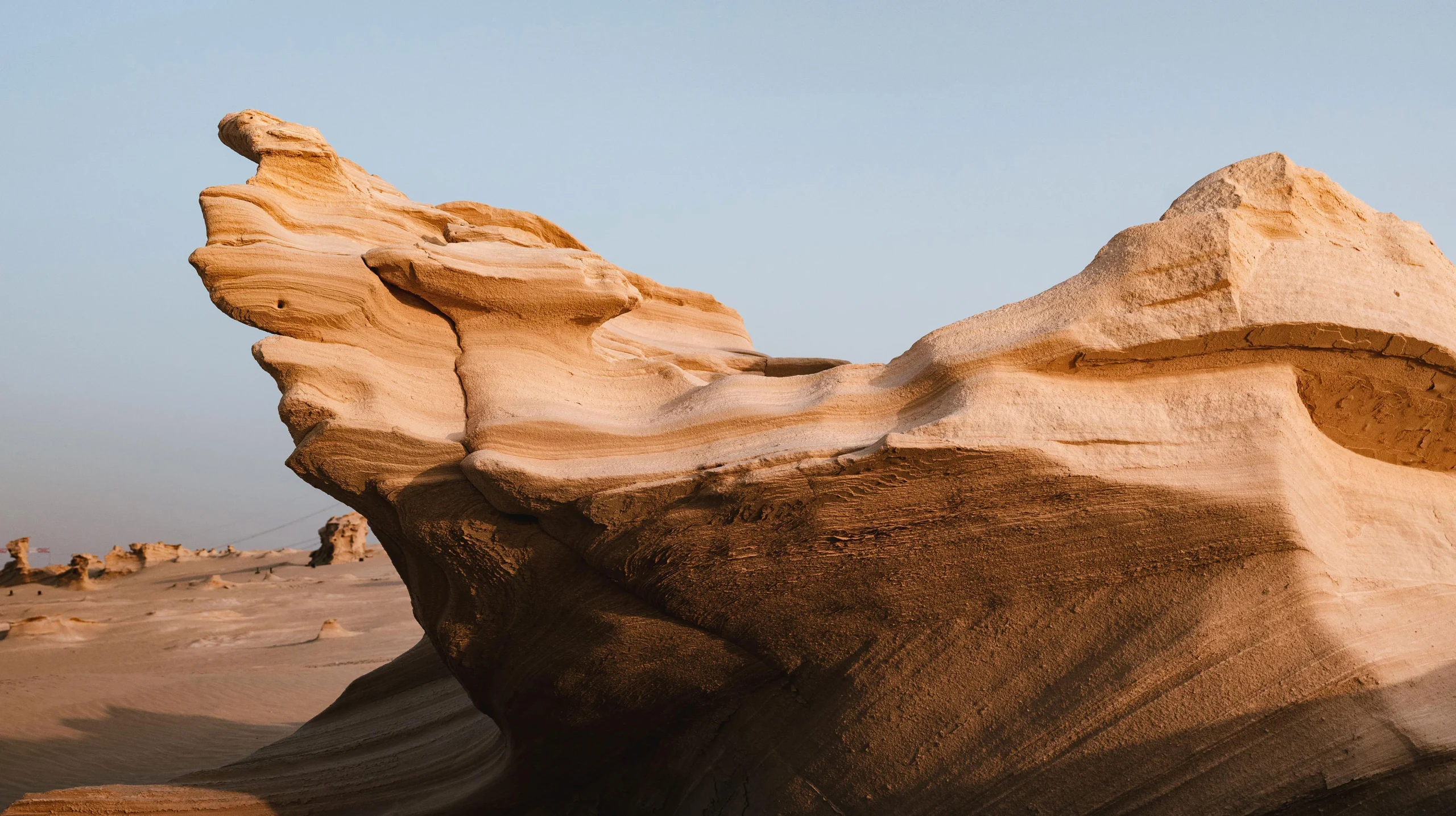
Seasonally: October through April offers the most comfortable weather conditions, with temperatures ranging from 20-30°C (68-86°F). Summer visits (May-September) are possible but challenging, with temperatures often exceeding 40°C (104°F).
Time of Day: I personally recommend timing your visit for either early morning (sunrise to 10 AM) or late afternoon (4 PM to sunset). These golden hours provide:
- Cooler temperatures for comfortable exploration
- Spectacular lighting that enhances the dunes’ sculptural qualities
- Better photography conditions with dramatic shadows and warm tones
- Fewer crowds, allowing for a more contemplative experience
The On-Site Experience: What to Expect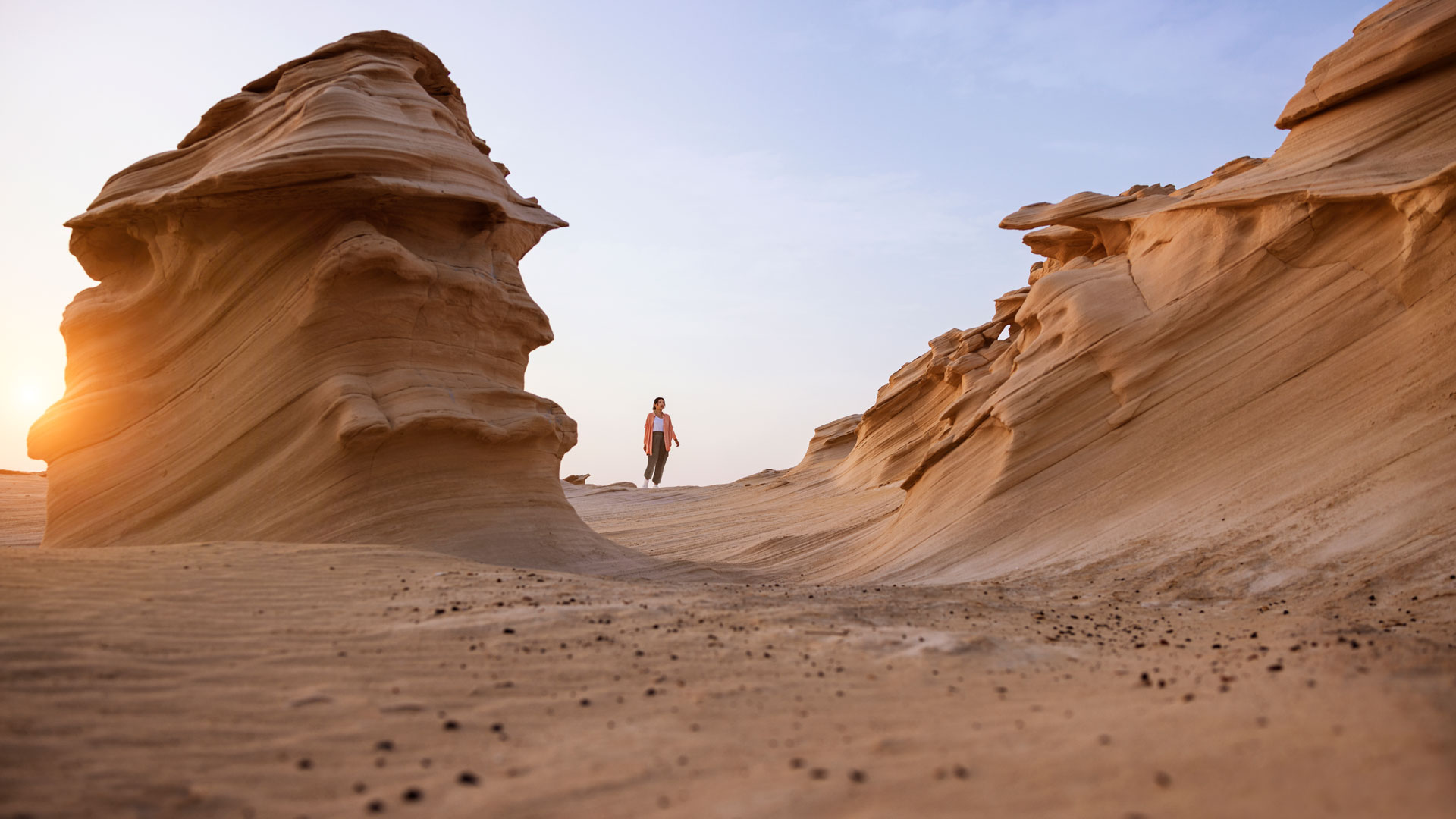
Upon arrival, you’ll find a small visitor center that provides contextual information about the site’s geological significance. The facility includes basic amenities such as restrooms and shaded seating areas—essential comforts when exploring the desert environment.
The Al Wathba dune walking trail is relatively informal, consisting of several paths that wind between the major formations. Unlike structured hiking trails, these paths allow for flexible exploration, letting you discover hidden alcoves, unique rock formations, and perfect photography spots at your own pace.
The main trail circuit takes approximately 1-2 hours to complete, depending on your pace and photography stops. The terrain is generally flat with some gentle inclines, making it accessible for most fitness levels. However, the lack of shade means sun protection is essential.
One of the site’s newer attractions is an evening light show that illuminates the dunes after sunset on select nights. This spectacular display transforms the ancient formations into a canvas of colored light, creating an almost mystical atmosphere that highlights the dunes’ natural artistry.
A Photographer’s Paradise: Capturing the Dunes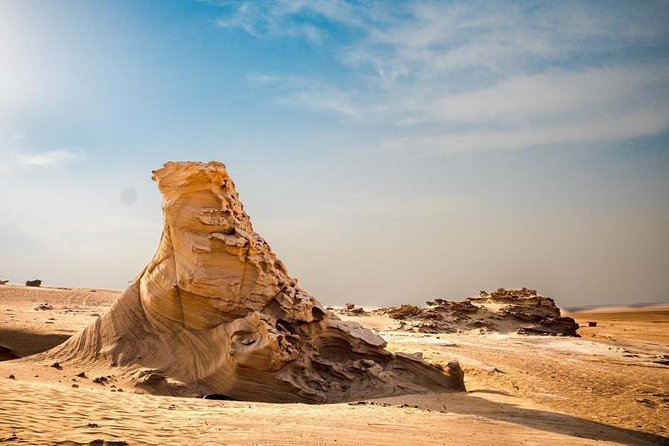
The Al Wathba Fossil Dunes offer some of the most unique photographic opportunities in the UAE, and fulfilling that Al Wathba fossil dunes photos search intent requires understanding how to work with this distinctive landscape.
Golden Hour Magic: The hour after sunrise and before sunset provides the most dramatic lighting. The low-angle sun creates deep shadows that accentuate the dunes’ sculptural qualities while bathing the formations in warm, honey-colored light. I’ve found that the late afternoon light tends to be slightly more dramatic than morning light, as the western sun creates more pronounced shadow patterns.
Composition Techniques: These formations offer incredible opportunities for both wide-angle landscape shots and intimate detail photography. For wide shots, include foreground elements like smaller rock formations or desert vegetation to create depth. The curved lines of the dunes create natural leading lines that draw the eye through the composition.
Scale and Perspective: One challenge with photographing the dunes is conveying their impressive scale. Including a person in the frame—even as a small silhouette—helps viewers understand the massive size of these formations. The contrast between human scale and geological time creates powerful visual storytelling.
Detail Work: Don’t overlook the intricate patterns in the rock faces. The cross-bedding layers, weathering patterns, and occasional fossils create abstract compositions that tell the story of ancient environments. A macro lens or even a smartphone can capture these geological details effectively.
Blue Hour Opportunities: The period just after sunset, when the sky takes on deep blue tones, creates stunning contrast with the warm-toned rock faces. This is particularly effective if you’re visiting during the light show events.
Technical Tips: Bring a polarizing filter to reduce glare from the rock surfaces and enhance contrast. A tripod is essential for sharp images during golden hour and blue hour shooting. Consider bracketing exposures, as the contrast between shadowed areas and sunlit surfaces can be extreme.
Responsible Tourism: Rules, Respect, and the Camping Question
Visiting the Al Wathba Fossil Dunes comes with important responsibilities. These ancient formations are fragile and irreplaceable, making conscious, respectful behavior essential for preservation.
Essential Do’s:
- Stay on designated paths to prevent erosion and damage
- Carry out all trash—leave no trace of your visit
- Respect wildlife and vegetation, however sparse it may appear
- Bring adequate water and sun protection
- Inform someone of your travel plans before visiting
- Follow all posted signs and guidelines
Critical Don’ts:
- Never climb on the fossil dunes themselves—they’re fragile and can be damaged by foot traffic
- Don’t collect rocks, fossils, or any natural materials
- Avoid loud noises that might disturb wildlife
- Don’t bring glass containers that could break and harm the environment
- Never light fires or smoke in the area
- Don’t venture out alone, especially during extreme weather
The Camping Debate: Can I camp at Al Wathba fossil dunes? This question requires a nuanced answer based on current regulations and practical considerations.
Officially, overnight camping is not permitted within the protected area itself. However, the broader Al Wathba region includes areas where camping may be possible with proper permits and equipment. The key considerations are:
- Environmental protection regulations strictly control activities within the protected zone
- Desert camping requires significant preparation and experience
- Weather conditions can change rapidly, making overnight stays potentially dangerous
- The lack of facilities means complete self-sufficiency is essential
If you’re interested in desert camping, I recommend exploring designated camping areas in the broader region or contacting local tour operators who can provide guided camping experiences in appropriate locations while respecting conservation requirements.
Extend Your Adventure: What’s Nearby?
Your visit to the Al Wathba Fossil Dunes can be part of a broader exploration of the region’s natural and cultural attractions. The Al Wathba area offers several complementary experiences that showcase different aspects of UAE’s natural heritage.
The Al Wathba Wetland Reserve, located just a few kilometers from the fossil dunes, provides a striking contrast to the desert landscape. This protected wetland supports thousands of migratory birds, including the famous flamingo populations that create spectacular pink clouds against the desert backdrop. The reserve offers guided tours and excellent birdwatching opportunities, particularly during winter months.
The nearby Al Wathba Camel Racetrack offers insight into one of the UAE’s most traditional sports. Even if you don’t catch a race, the facility provides fascinating glimpses into the important role camels have played in Emirati culture and the modern sport that continues this tradition.
For those interested in extending their geological exploration, the drive toward Al Ain passes through landscapes that showcase different aspects of the UAE’s natural history, including various desert ecosystems and additional rock formations that tell the story of the region’s environmental evolution.
Frequently Asked Questions
Is there an entry fee for Al Wathba Fossil Dunes? No, the Al Wathba Fossil Dunes offer completely free entry, making them one of the most accessible natural attractions in the UAE. There are no hidden fees or charges for parking or basic facilities.
Do I really need a 4×4 to visit? While not absolutely essential during ideal conditions, a 4×4 vehicle is strongly recommended. The final approach involves unpaved desert tracks that can become challenging for regular vehicles, especially after rain or during sandstorms. The peace of mind and mobility that comes with a 4×4 makes the experience much more enjoyable.
Can I legally camp at the Al Wathba Fossil Dunes? Overnight camping is not permitted within the protected fossil dunes area itself. However, the broader Al Wathba region may offer camping opportunities with proper permits and preparation. Always check current regulations and consider guided camping experiences for safety and compliance.
What are the official opening hours? The site is typically open from sunrise to sunset, though specific times vary seasonally. For the most current information, check the official Experience Abu Dhabi website before your visit, as conservation activities or special events can occasionally affect access.
Is the site family-friendly and accessible? Yes, the Al Wathba Fossil Dunes are suitable for families with children old enough to walk on uneven terrain. The trails are relatively flat and don’t require technical hiking skills. However, the desert environment means sun protection and adequate water are essential, and the lack of shade requires careful planning for visits with young children.
Conclusion
The Al Wathba Fossil Dunes represent something truly special—a window into deep time that connects us with landscapes that existed millions of years before human civilization. Standing among these ancient formations, you’re not just visiting a tourist attraction; you’re experiencing a profound connection with the Earth’s geological history.
What makes this destination particularly remarkable is how it balances accessibility with authenticity. The free entry ensures that this natural wonder remains available to all curious explorers, while the protected status guarantees that future generations will have the opportunity to experience the same sense of wonder and connection with deep time.
Whether you’re drawn by the photographic opportunities, the geological significance, or simply the chance to experience something truly unique, the Al Wathba Fossil Dunes offer an adventure that stays with you long after you’ve returned to the city. The silence, the scale, and the undeniable presence of deep time create an experience that’s both humbling and inspiring.
Ready to walk on a landscape frozen in time? Your adventure to one of Abu Dhabi’s best-kept secrets awaits. Remember to bring your camera, your sense of wonder, and deep respect for these ancient formations that have weathered millions of years to share their story with you today.




Leave a Reply