 >
>

Things to Do in Baku, Azerbaijan: Hidden Gems, Cultural Rituals & Modern Marvels
Imagine a city where Parisian-style avenues meet ancient, caravan-worn walls, where flames dance eternally from the earth, and where the Caspian Sea breeze carries stories of silk traders and oil barons. When I first stepped off the plane in Baku, I wasn’t prepared for this fascinating contradiction – a place where 12th-century minarets cast shadows on glass-and-steel towers that seem to defy gravity.
Welcome to Baku, Azerbaijan’s captivating capital that’s quickly becoming one of the most exciting destinations in the Caucasus region. This comprehensive guide will take you through everything you need to know about the best things to do in Baku Azerbaijan, from hidden local spots that most tourists miss to practical tips specifically tailored for travelers from India.
Whether you’re planning a quick 3-day adventure or a week-long exploration, this guide promises insider knowledge, personal recommendations, and cultural insights that will transform your visit from ordinary sightseeing into an unforgettable journey through one of the world’s most underrated destinations.
Part 1: The Heart of History – Baku’s Old City (Icheri Seher)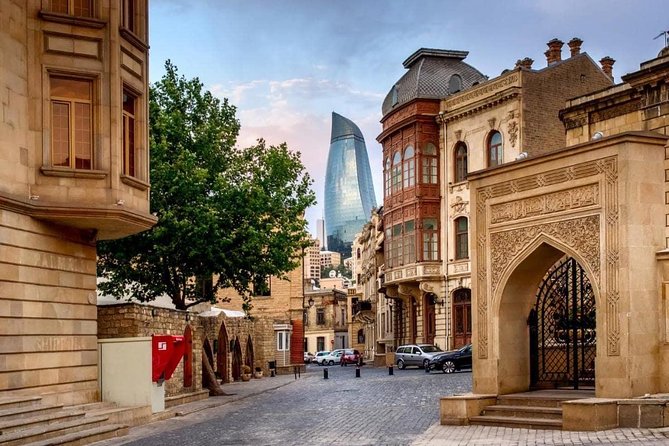
The moment you enter Baku’s Old City through its weathered stone gates, you’re stepping back nearly a thousand years. When I visited Icheri Seher for the first time, the narrow cobblestone streets reminded me of walking through Old Delhi’s bylanes – except here, the architecture tells stories of Persian shahs, Turkic tribes, and Russian empires all woven together.
Maiden Tower: A Monument Wrapped in Mystery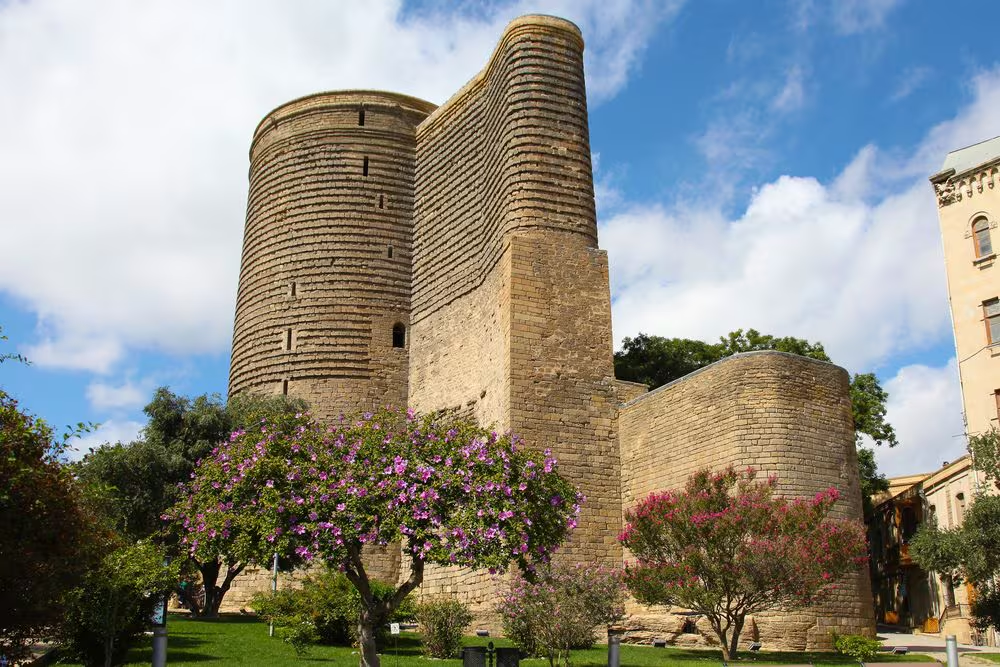
Standing 29 meters tall, the Maiden Tower is Baku’s most iconic landmark and the perfect starting point for your Old City exploration. Legend has it that a king’s daughter threw herself from the tower to avoid marrying her own father – though historians debate whether this cylindrical structure was actually a Zoroastrian fire temple or a defensive watchtower.
A little trick I learned is to visit just before sunset. Not only do you get stunning golden-hour photos, but the tower’s ancient stones seem to glow against the darkening sky. The climb to the top offers panoramic views of the Caspian Sea and the modern city beyond – it’s like witnessing Baku’s entire timeline in one glance.
Palace of the Shirvanshahs: An Architectural Masterpiece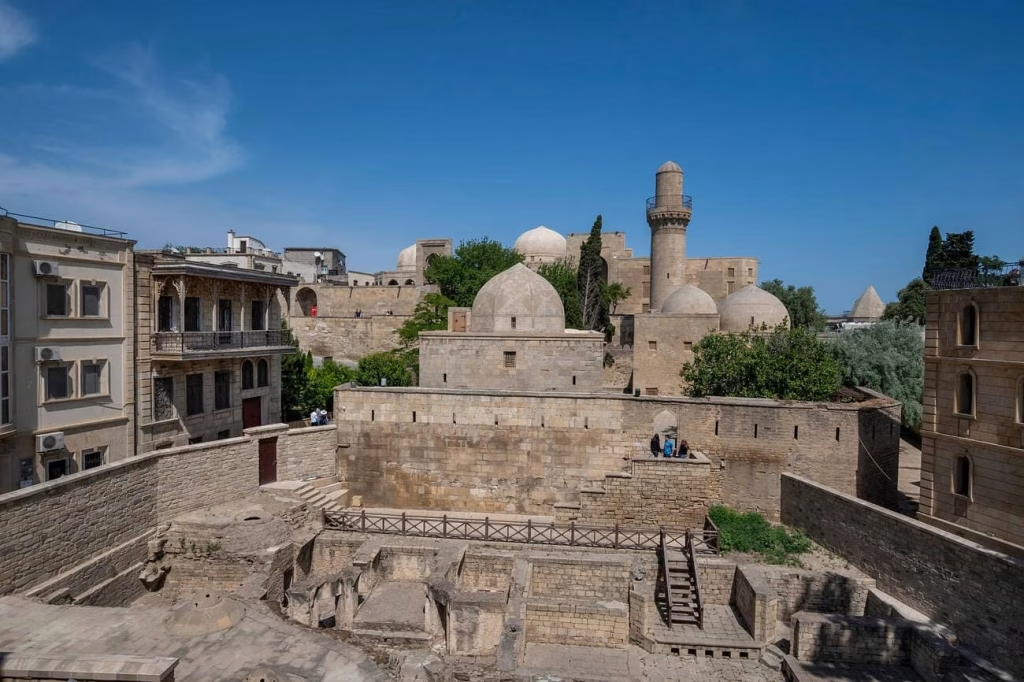
The Palace of the Shirvanshahs complex, built in the 15th century, showcases some of the finest Islamic architecture in the region. As someone who’s marveled at the intricate stonework of Delhi’s Red Fort and Agra’s Taj Mahal, I can tell you that the craftsmanship here is equally breathtaking. The geometric patterns carved into honey-colored limestone create shadows that dance throughout the day.
The palace complex includes the main building, a tomb, a mosque, and the remains of a bathhouse. What struck me most was how the architects seamlessly integrated the buildings with the natural rock formations – a technique that feels very ahead of its time.
Miniature Book Museum: A Hidden Gem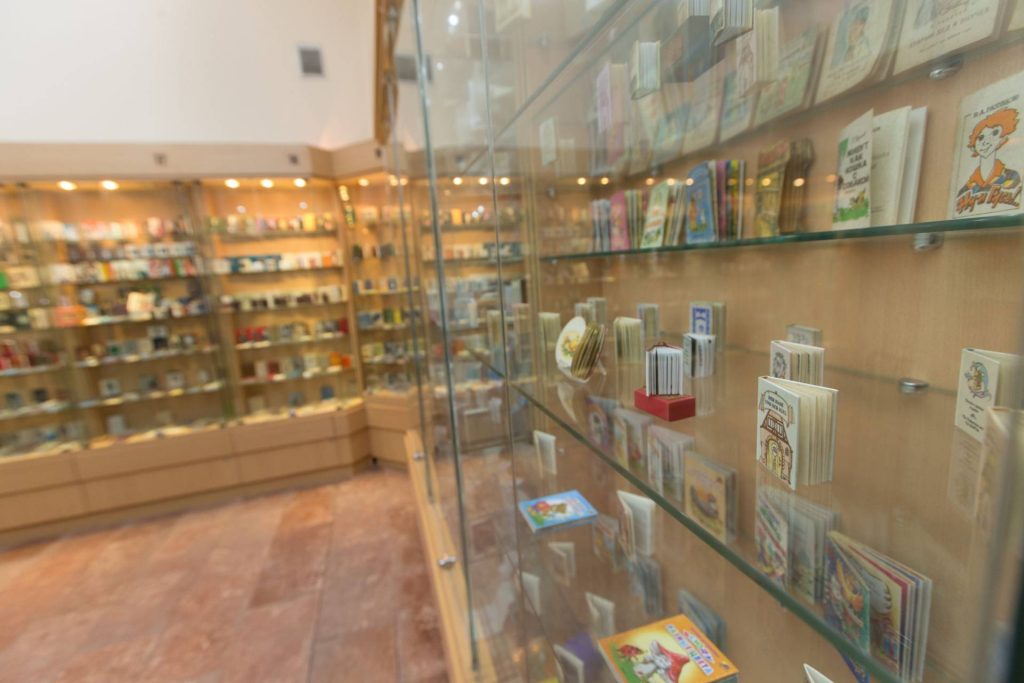
Here’s a quirky spot that most visitors skip but shouldn’t – the Miniature Book Museum houses over 6,500 tiny books from 64 countries. It might sound odd, but spending 20 minutes here offers a fascinating glimpse into human creativity across cultures. The smallest book measures just 2×2 millimeters and can only be read with a magnifying glass!
Insider’s Tea Break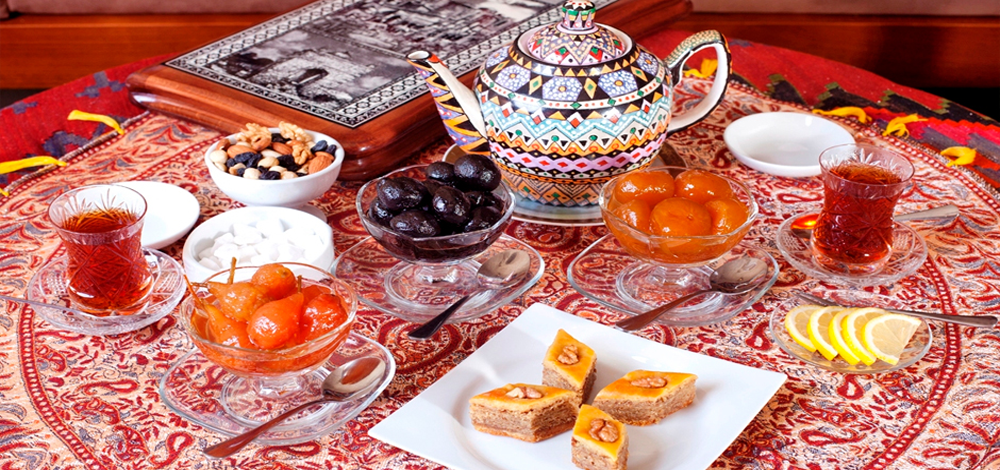
After exploring the main sights, I always recommend stopping at Café City, tucked away in a quiet corner of the Old City walls. Their traditional Azerbaijani tea served in delicate glass cups (called armudu) paired with local sweets like pakhlava is the perfect way to rest your feet and soak in the atmosphere. The owner, Rashad, speaks excellent English and loves sharing stories about Baku’s history with visitors.
Part 2: Baku’s Modern Marvels
Baku’s transformation from Soviet city to modern metropolis is most dramatically visible in its contemporary architecture. The contrast between ancient and ultra-modern creates one of the most photogenic cityscapes I’ve encountered anywhere in the world.
Heydar Aliyev Center: Where Architecture Becomes Art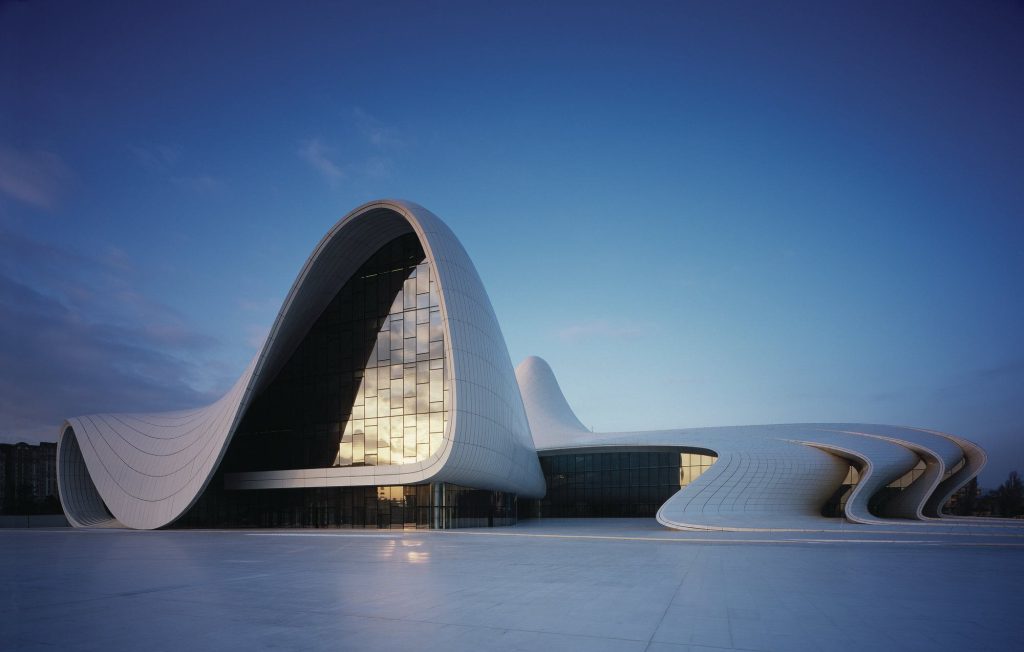
Designed by the late Zaha Hadid, the Heydar Aliyev Center looks like it was carved from a single piece of flowing white silk. When I first saw it, I literally stopped in my tracks – the building seems to undulate like frozen waves, with no sharp angles or traditional corners anywhere.
Inside, the cultural center hosts rotating exhibitions of Azerbaijani history and contemporary art. But honestly, the building itself is the main attraction. For the best photos, arrive around 4 PM when the afternoon light creates stunning shadows across the curved surfaces. The building is particularly magical at night when it’s illuminated against the dark sky.
Flame Towers: Baku’s Crown Jewels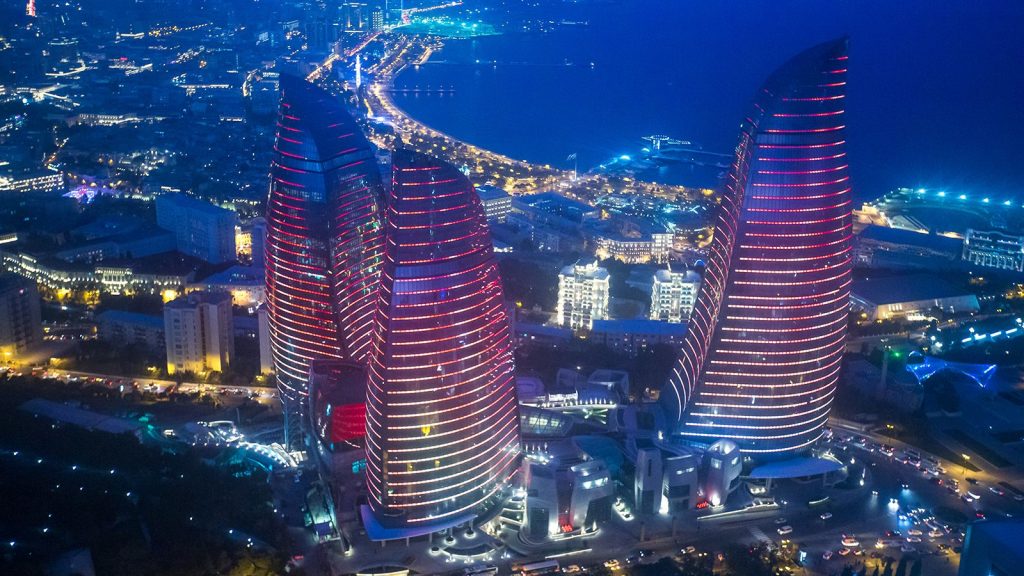
These three tower complexes shaped like flames dominate Baku’s skyline and represent Azerbaijan’s nickname as the “Land of Fire.” But here’s what most tourists don’t know – the best view isn’t from the ground. Take the funicular railway up to Highland Park (Dağüstü Park) just before sunset, and you’ll witness one of the world’s most impressive LED light shows projected onto the towers’ glass surfaces.
The towers house luxury apartments, offices, and the Fairmont Baku hotel, but the real magic happens after dark when the entire structures become massive screens displaying dancing flames that can be seen from 30 kilometers away.
Azerbaijan Carpet Museum: Where Art Meets Architecture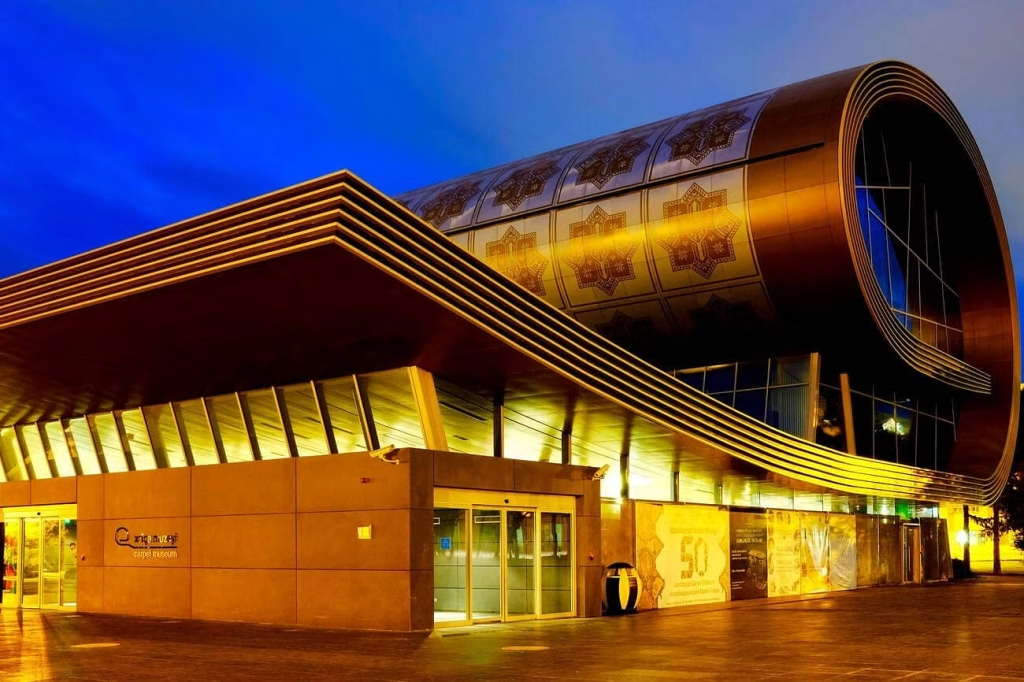
The building itself is designed to look like a rolled-up carpet – and yes, it’s as impressive as it sounds. Inside, you’ll discover why Azerbaijani carpets have been treasured for centuries. The museum houses over 10,000 items, including carpets, rugs, and other textile artifacts dating back to the 17th century.
What fascinated me most was learning about the traditional dyeing techniques using local plants and minerals – knowledge passed down through generations of master weavers. Even if you’re not typically interested in textiles, the craftsmanship will leave you amazed.
Part 3: Living Like a Local – Promenades and Plazas
To truly understand Baku, you need to experience how locals live and socialize. The city’s promenades and public spaces offer the perfect opportunity to immerse yourself in daily Azerbaijani life.
Baku Boulevard: A Seaside Sanctuary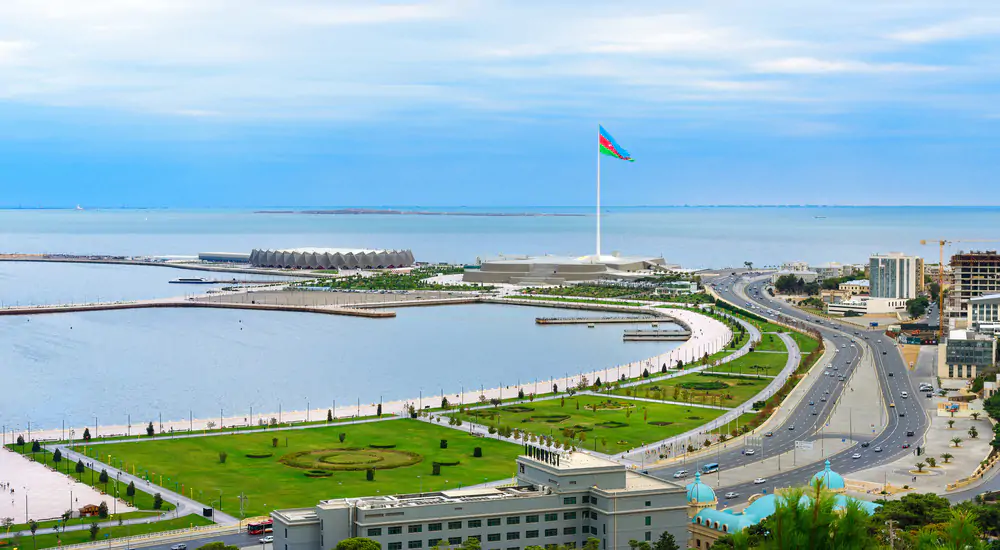
Stretching for over 3 kilometers along the Caspian Sea, Baku Boulevard is where the city comes alive, especially in the evenings. When I walked here during my visit, families were picnicking, couples strolling hand-in-hand, and children feeding seagulls – it felt like stepping into a community gathering rather than a tourist attraction.
The promenade features several attractions, including the Baku Eye (a 60-meter Ferris wheel offering spectacular city views) and numerous cafés and restaurants. But my favorite moment was stopping at a small vendor stall to try qutab – a traditional thin flatbread stuffed with herbs, cheese, or meat. It’s crispy, flavorful, and costs less than a dollar.
Nizami Street & Fountain Square: The Pulse of Modern Baku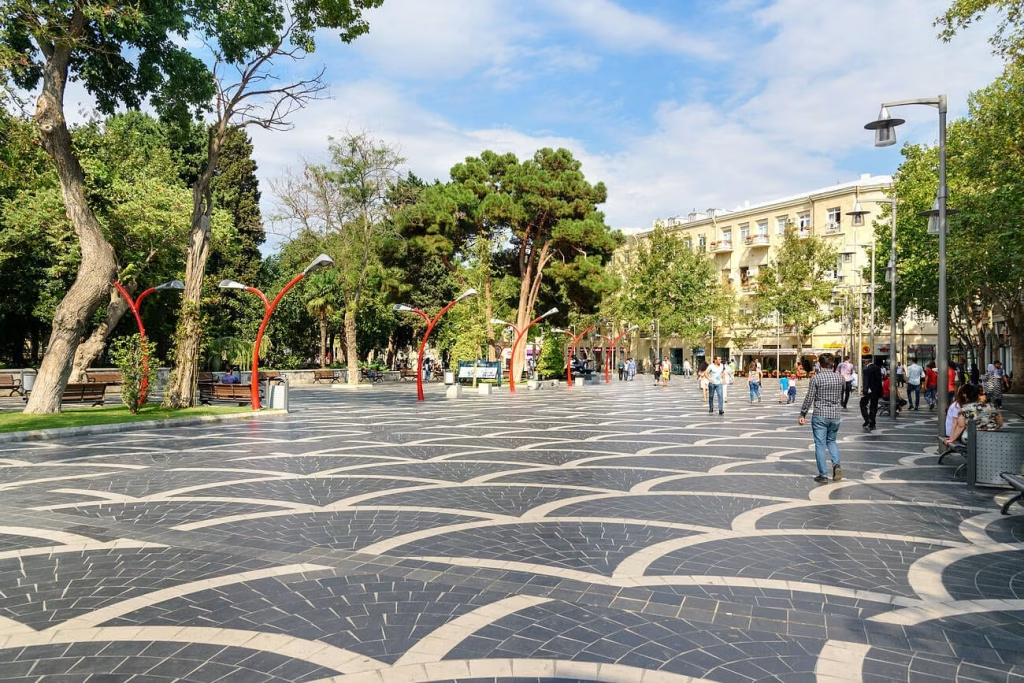
Named after the 12th-century Persian poet Nizami Ganjavi, this pedestrian street connects the Old City to Fountain Square and represents modern Baku’s shopping and dining heart. In the evening, the area transforms into a vibrant social hub where young Azerbaijanis meet friends, couples enjoy romantic walks, and street musicians provide the soundtrack to city life.
Fountain Square itself hosts numerous events throughout the year, from concerts to cultural festivals. The surrounding buildings showcase beautiful examples of early 20th-century architecture, creating an elegant backdrop for people-watching over a cup of coffee or fresh pomegranate juice.
Part 4: Flavors of Azerbaijan – A Food Lover’s Guide
Azerbaijani cuisine is a delicious fusion of Turkish, Persian, and Russian influences, with unique local ingredients and cooking techniques. The food scene in Baku ranges from street vendors serving traditional snacks to upscale restaurants reimagining classic dishes.
Must-Try Dishes That Will Change Your Perspective on Caucasian Cuisine
Plov: Often considered Azerbaijan’s national dish, this isn’t just rice – it’s an art form. Saffron-scented basmati rice forms the base, topped with tender lamb, dried fruits, and aromatic herbs. The bottom layer develops a golden crust called “gazmag” that’s considered the most prized portion.
Dolma: While similar to Indian stuffed vegetables, Azerbaijani dolma uses grape leaves, cabbage, or eggplant stuffed with a mixture of rice, herbs, and sometimes meat. The vegetarian versions are particularly flavorful, highlighting the country’s abundant fresh herbs.
Lavangi: A specialty from the Talysh region, this dish features fish or chicken stuffed with a paste made from ground walnuts and herbs. The complex flavors develop through slow cooking, creating something truly unique to Azerbaijani cuisine.
Shah Plov: The king of all plovs, this dish arrives at your table wrapped in thin lavash bread, which is then ceremoniously cut open to reveal the saffron rice inside. It’s as much theater as it is food.
Where to Eat: From Budget-Friendly to Fine Dining
Budget-Friendly: Dolma Restaurant (near Fountain Square) serves authentic home-style cooking at incredibly reasonable prices. Their lunch sets cost under $5 and include soup, main course, and tea. The atmosphere is casual and welcoming, perfect for solo travelers or families.
Mid-Range: Firuze Restaurant combines traditional recipes with contemporary presentation. Located in the city center, it’s known for its excellent plov and grilled meats. Expect to spend around $15-20 per person for a full meal with appetizers.
High-End: Chinar Restaurant offers refined Azerbaijani cuisine in an elegant setting with views of the Caspian Sea. Their tasting menu showcases regional specialties prepared with modern techniques. A dinner here will cost $40-60 per person but provides an unforgettable culinary experience.
Local Market Experience
No food journey is complete without visiting Taza Bazaar, Baku’s largest fresh market. Here, vendors sell everything from Caspian Sea caviar to locally grown pomegranates, fresh herbs, and traditional sweets. The sensory experience – the colors of spice pyramids, the aroma of fresh bread, the calls of vendors – provides authentic insight into daily Azerbaijani life.
Part 5: Beyond the City Limits – Unforgettable Day Trips
While Baku itself offers several days’ worth of exploration, some of Azerbaijan’s most remarkable sites lie just outside the city. These day trips provide glimpses into the country’s ancient spiritual traditions and unique geological phenomena.
Absheron Peninsula: Fire and Faith: The Absheron Peninsula, just 30 kilometers from central Baku, combines two of Azerbaijan’s most significant historical sites in one manageable day trip.
Ateshgah Fire Temple: This 18th-century Hindu and Zoroastrian temple was built around a natural gas vent that created eternal flames. When I visited, I was struck by the Sanskrit inscriptions alongside Persian text – evidence of the diverse religious communities that once thrived along the Silk Road. Though the natural flames were extinguished in 1969 due to gas extraction, the site now uses piped gas to maintain the sacred fires.
Yanar Dag (Burning Mountain): A hillside where natural gas seeps create flames that have burned continuously for over 65 years. Standing before these otherworldly flames dancing against the rock face, especially at dusk, feels almost mystical. The site inspired ancient fire worshippers and continues to attract visitors seeking to understand Azerbaijan’s connection to natural elements.
Getting there is simple: take bus #184 from Koroglu metro station or arrange a taxi for the day (expect to pay around $40-50 for both sites including waiting time).
Gobustan National Park: A Window into Prehistoric Life
Located about 40 kilometers south of Baku, Gobustan National Park contains one of the world’s finest collections of prehistoric rock art. The petroglyphs, dating back 40,000 years, depict hunting scenes, ritual dances, and ancient boats – providing insight into humanity’s earliest artistic expressions.
The park also features mud volcanoes – geological formations that bubble and occasionally erupt with mud rather than lava. Azerbaijan contains nearly half of the world’s mud volcanoes, making this a unique geological experience. The otherworldly landscape feels like walking on an alien planet, especially when the volcanoes are actively gurgling and spitting mud.
Plan for a half-day trip, allowing 3-4 hours to explore both the petroglyphs and mud volcanoes. The park entrance fee is minimal (around $2), and guided tours are available in multiple languages.
Part 6: Practical Advice for a Smooth Trip (Especially for Travelers from India)
Planning a trip to Azerbaijan from India requires some specific considerations, but the process is much simpler than many travelers expect.
Visa Requirements: Simplified for Indian Travelers
Good news for Indian passport holders – Azerbaijan offers a straightforward e-visa system. The process takes 3-5 working days and costs $26 for a single-entry, 30-day visa. You’ll need:
- A passport valid for at least 6 months
- A digital passport photo
- Proof of accommodation (hotel booking confirmation)
- Flight itinerary
Apply through the official ASAN Visa portal (evisa.gov.az) – avoid third-party sites that charge extra fees. The e-visa is linked electronically to your passport, so just print a copy for your records.
Best Time to Visit: Timing Your Azerbaijan Adventure
April to June: Perfect weather with temperatures between 15-25°C, blooming flowers, and clear skies. This is ideal for sightseeing and outdoor activities.
September to October: Another excellent window with mild temperatures and beautiful autumn colors. The Caspian Sea is still warm enough for swimming.
July-August: Hot and humid (temperatures can reach 35°C), but this is when the city has the most events and festivals.
November-March: Cool and sometimes rainy, but fewer crowds and lower accommodation prices. Some outdoor attractions may have limited hours.
Getting Around: Navigating Baku Like a Local
Metro System: Clean, efficient, and incredibly affordable (about $0.20 per ride). The system covers most tourist areas, and signs include English translations. Buy a BakuCard at any station for convenient travel.
Ride-Sharing: Bolt (similar to Uber) is widely used and reliable. Most drivers speak basic English, and the app provides upfront pricing. Expect to pay $2-5 for most trips within the city center.
Walking: The city center is compact and pedestrian-friendly. Most major attractions are within walking distance of each other.
Accommodation: Where to Stay for Different Budgets
Budget ($25-50/night): Consider guesthouses in the Nasimi or Sabail districts. These offer basic comfort with easy metro access to major attractions.
Mid-Range ($50-100/night): Boutique hotels near Fountain Square provide excellent location, modern amenities, and often include breakfast. The area offers numerous restaurants and shopping within walking distance.
Luxury ($100+/night): The Fairmont Baku in the Flame Towers or Four Seasons Hotel provide world-class service with spectacular city views.
Cultural Tips: Respectful Travel in Azerbaijan
Dress Code: Azerbaijan is secular, but modest dress is appreciated, especially when visiting religious sites. In summer, lightweight long pants and shirts with sleeves are comfortable and appropriate.
Greetings: A handshake is standard for business, but wait for women to extend their hand first. Learning basic phrases like “Salamaleykum” (hello) and “Tesekkur edirem” (thank you) will earn warm smiles.
Dining Etiquette: Bread is considered sacred – never throw it away or place it upside down. Tea is central to social interaction, so accepting an offer for tea is a sign of respect.
Photography: Always ask permission before photographing people, especially women. Avoid taking pictures of government buildings or military installations.
Part 7: Your Baku Itinerary
The 3-Day Highlights Tour: Maximum Impact in Minimum Time
Day 1: Old Meets New
- Morning: Explore Icheri Seher (Old City), visiting Maiden Tower and Palace of the Shirvanshahs
- Afternoon: Walk to the Heydar Aliyev Center, allowing time to appreciate both exterior and interior
- Evening: Stroll Baku Boulevard, ending with dinner at a seaside restaurant
Day 2: Modern Marvels and Local Life
- Morning: Visit Azerbaijan Carpet Museum and explore nearby Fountain Square
- Afternoon: Take the funicular to Highland Park for Flame Towers views
- Evening: Explore Nizami Street for shopping and dining, experiencing Baku’s nightlife
Day 3: Fire and History
Full day: Absheron Peninsula tour visiting Ateshgah Fire Temple and Yanar Dag
- Evening: Return to city center for farewell dinner featuring traditional Azerbaijani cuisine
The 5-Day Explorer’s Path: Deep Dive into Azerbaijani Culture
Days 1-3: Follow the 3-day itinerary above
Day 4: Ancient Art and Natural Wonders
- Full day: Gobustan National Park to see petroglyphs and mud volcanoes
- Evening: Rest and explore local cafés in the Nasimi district
Day 5: Hidden Gems and Departure
- Morning: Visit local markets (Taza Bazaar) and lesser-known neighborhoods
- Afternoon: Relax at Baku Boulevard or visit any missed museums
- Evening: Departure or extra night to savor your favorite discoveries
Each itinerary can be customized based on your interests – art lovers might spend more time in museums, while food enthusiasts could include cooking classes or additional restaurant experiences.
Your Gateway to Azerbaijan Awaits
Baku reveals itself slowly, like pages in an ancient manuscript. From the moment you hear the morning call to prayer echoing off medieval stones to your last glimpse of the Flame Towers lighting up the night sky, this city offers experiences that stay with you long after you’ve returned home.
What makes Azerbaijan truly special isn’t just its striking architecture or fascinating history – it’s the warmth of its people, the richness of its culture, and the sense that you’re discovering something before the rest of the world catches on. In Baku, every narrow alley in the Old City, every modern marvel, and every steaming plate of plov tells part of a larger story about resilience, creativity, and the beautiful complexity of human civilization.
Ready to explore the wonders of Baku for yourself? Let our travel experts handle all the planning details while you focus on anticipating your adventure. From securing your e-visa to arranging cultural tours with local guides who bring history to life, we create personalized Azerbaijan experiences that exceed expectations.
Your extraordinary Azerbaijan adventure is just one click away.
References and Sources
- UNESCO World Heritage – Walled City of Baku
- Official Azerbaijan Tourism Board
- Icherisheher Old City Official Portal
- Heydar Aliyev Center Official Website
- Azerbaijan Carpet Museum
- Baku Boulevard Official Site
- Gobustan Rock Art Cultural Landscape
- Azerbaijan E-Visa Portal
- Baku Metro Official Website
- Ateshgah Fire Temple – Azerbaijan Tourism





Leave a Reply