 >
>

Things to Do in Baku, Azerbaijan: A Cultural & Modern Explorer’s Guide
Baku is not just a city—it’s a living canvas where Silk Road history blends with bold modernity. As the capital of Azerbaijan and a gateway between Europe and Asia, Baku offers Indian travelers an extraordinary blend of ancient Persian architecture, Soviet-era grandeur, and cutting-edge contemporary design. Whether you’re drawn to the mystery of fire temples that have burned for centuries or the gleaming towers that light up the Caspian Sea coastline, Baku promises experiences that feel both exotic and surprisingly familiar.
This comprehensive guide serves as your ultimate resource for exploring Baku, written specifically for Indian travelers who want to make the most of their Azerbaijan adventure. From navigating the cobblestone streets of the UNESCO-listed Old City to savoring local cuisine that shares surprising similarities with Indian flavors, we’ll cover everything you need to know for an unforgettable journey to the Land of Fire.
Baku At-a-Glance: Quick Guide for Indian Travelers
| Category | Details |
| Best Time to Visit | April-June & September-October (Pleasant weather) |
| Currency | Azerbaijani Manat (AZN) |
| Visa for Indians | Yes, ASAN e-Visa (Apply online beforehand) |
| Main Language(s) | Azerbaijani, Russian (English in tourist areas) |
| Ideal Trip Duration | 3 to 4 days |
A Journey Through Time: Baku’s Old City (Icheri Seher)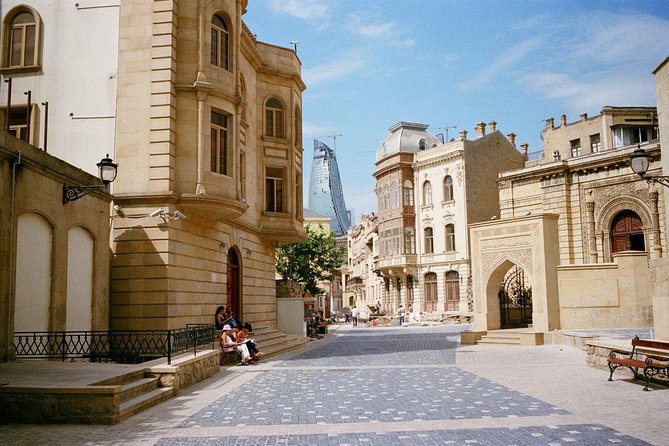
Step into Icheri Seher, and you’ll feel like you’ve entered a medieval time capsule. This UNESCO World Heritage site, enclosed within ancient walls, represents the heart of historical Baku. The Old City’s narrow, winding alleys and honey-colored stone buildings create an atmosphere that Indian travelers will find reminiscent of the historic quarters of Jaipur or Old Delhi, yet distinctly Azerbaijani in character.
The crown jewel of Icheri Seher is the mysterious Maiden Tower (Qiz Qalasi), an 8th-century cylindrical structure that rises 29 meters above the Old City. Despite numerous theories about its original purpose—ranging from a Zoroastrian fire temple to a defensive watchtower—the tower’s true history remains enigmatic. Inside, you’ll find a museum that traces Baku’s evolution through interactive exhibits and artifacts. The real magic happens when you climb to the top; the panoramic view over the Caspian Sea and modern Baku skyline creates a striking contrast between old and new.
Just steps away stands the Palace of the Shirvanshahs, a 15th-century architectural masterpiece that served as the residence of the Shirvanshah dynasty. This complex includes the main palace building, Divankhana (court house), burial vaults, and a mosque. The intricate stone carvings and geometric patterns showcase the sophisticated craftsmanship of medieval Islamic architecture. As you walk through the palace courtyards, notice how the stonework changes color throughout the day as sunlight shifts across the Caspian.
Practical Experience Tip: Give yourself at least 3 hours to explore Icheri Seher on foot. The cobblestones can be uneven, so wear comfortable walking shoes with good grip. The narrow alleys between the main attractions often hide the best photo opportunities—look for ornate doorways, traditional balconies, and small courtyards where locals still hang their laundry.
Echoes of the Silk Road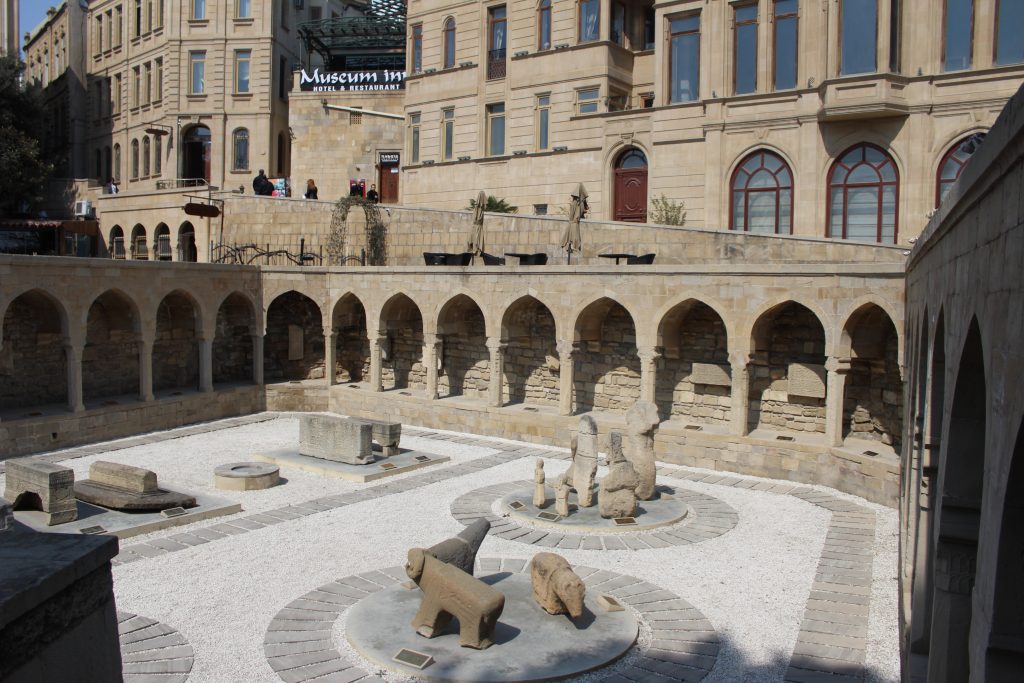
Walking through Icheri Seher’s bustling lanes feels remarkably similar to exploring the walled cities of Rajasthan or the historic bazaars of Old Delhi. Like these Indian heritage sites, Baku’s Old City was a crucial trading hub where merchants from across Asia and Europe converged. The architectural influences you’ll spot—from Persian arches to Islamic geometric patterns—reflect the same cultural exchanges that shaped India’s own historical cities during the Mughal era.
Must-See Museums and Cultural Spots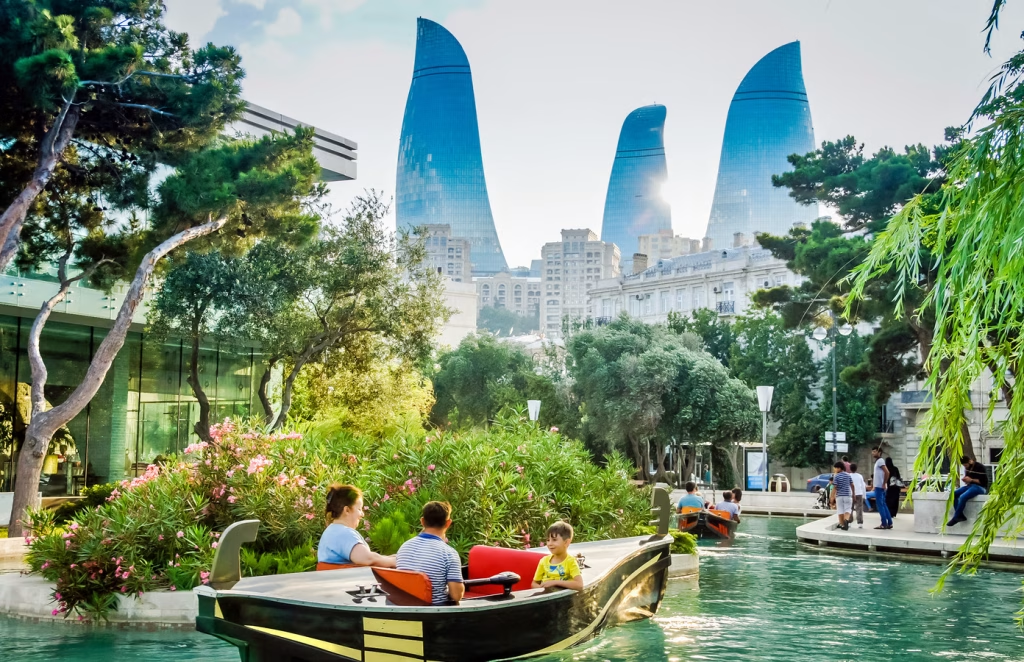
Baku’s museum scene offers fascinating insights into Azerbaijani culture, with two standout institutions that provide unique perspectives on the country’s artistic heritage.
The Museum of Miniature Books holds the Guinness World Record as the world’s largest private collection of miniature books, featuring over 6,500 tiny volumes from 64 countries. Created by book enthusiast Zarifa Salahova, this quirky museum showcases books so small you’ll need magnifying glasses to read them. Indian visitors often gravitate toward the collection’s Sanskrit texts and miniature editions of Indian classics. The museum perfectly captures Azerbaijan’s respect for literature and craftsmanship—values that resonate strongly with Indian culture.
The Azerbaijan National Carpet Museum deserves special attention from Indian travelers, particularly those familiar with our country’s rich textile traditions. Housed in a building designed to resemble a rolled carpet, the museum displays over 10,000 carpets and textile artifacts dating back centuries. You’ll discover striking similarities between Azerbaijani carpet motifs and Indian textile patterns. The geometric designs and color combinations often echo the embroidery styles found in Gujarat’s Kutch region or Kashmir’s pashmina work. The museum’s expert guides can explain the symbolic meanings behind different patterns—many represent protection, fertility, and prosperity, themes common in Indian decorative arts.
Cultural Connection: The carpet-weaving techniques displayed here share roots with Indian textile arts through ancient Silk Road trade routes. Both traditions use similar natural dyes and symbolic motifs, creating textiles that tell stories through their patterns.
Baku’s Modern Skyline: Architecture and Ambiance
Baku’s contemporary architecture creates one of the world’s most dramatic urban skylines, where futuristic buildings rise against the backdrop of the ancient Caspian Sea. This architectural revolution represents Azerbaijan’s oil wealth transformed into bold artistic statements.
The Flame Towers dominate Baku’s skyline like three massive torches reaching toward heaven. These 190-meter-tall structures house luxury hotels, offices, and apartments, but their real magic happens after sunset. LED displays covering the towers create mesmerizing light shows that simulate flickering flames—a tribute to Azerbaijan’s nickname as the “Land of Fire.” The best viewing spots include Upland Park (Dağüstü Park) and the Caspian Sea Boulevard. From Upland Park, particularly near the Martyrs’ Lane memorial, you get an elevated perspective that captures both the towers and the sea in one frame.
Experience Tip: The light show runs every evening from sunset until midnight, with different flame patterns throughout the night. For photography, arrive at Upland Park about 30 minutes before sunset to capture both the golden hour and the beginning of the light display.
The Heydar Aliyev Cultural Centre, designed by renowned architect Zaha Hadid, represents one of the most innovative buildings in the world. Its flowing, curved lines seem to defy gravity, creating a structure that appears to emerge from the ground like a white wave. The building houses exhibitions on Azerbaijani history and culture, though many visitors come simply to marvel at the architecture itself. The seamless integration of interior and exterior spaces, with no sharp angles or traditional corners, creates an otherworldly experience.
The Caspian Sea Boulevard (Dənizkənarı Milli Park) stretches for several kilometers along Baku’s waterfront, providing a peaceful escape from the city’s energy. This pedestrian promenade features gardens, fountains, and recreational areas where families gather in the evenings. The Boulevard offers constantly changing views of the modern city, with the Flame Towers serving as a dramatic backdrop. Street vendors sell fresh pomegranate juice and local snacks, while the sea breeze provides relief during warmer months.
Beyond the Tourist Trail: Local Experiences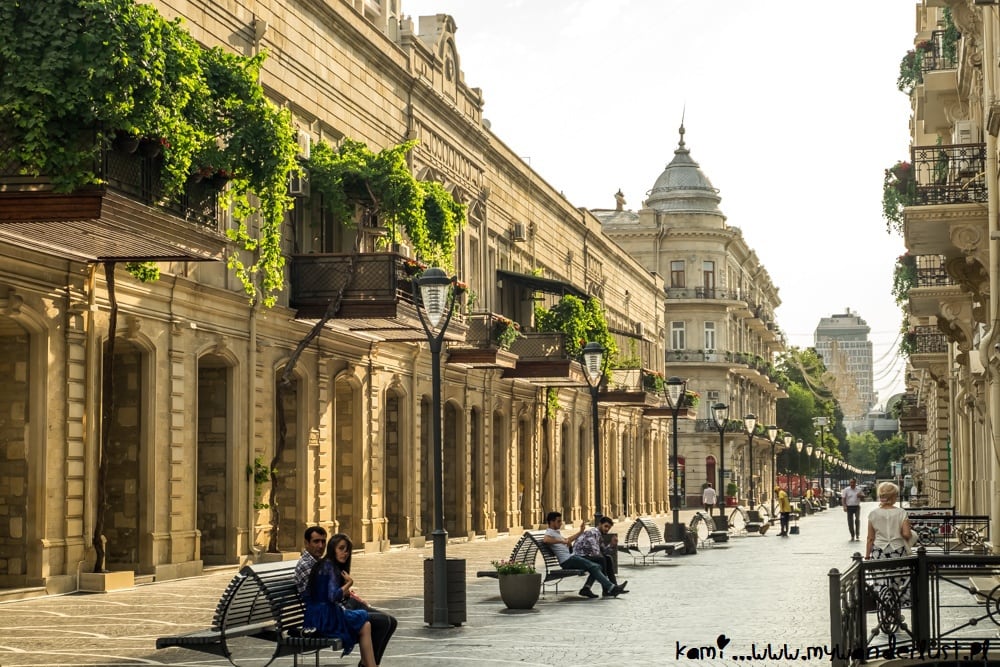
To truly understand Baku’s character, venture beyond the standard sightseeing circuit and engage with experiences that locals cherish.
Visiting a traditional Hamam (public bathhouse) offers a wellness experience that combines centuries-old traditions with modern relaxation needs. The Hazi Aslanov Hamam, one of Baku’s oldest operating bathhouses, provides the authentic experience. The ritual involves spending time in steam rooms, receiving a vigorous scrub down with a rough mitt (kese), and enjoying a massage. For Indian travelers accustomed to Ayurvedic treatments and spa experiences, the hamam provides familiar therapeutic benefits through different cultural practices. The process promotes circulation, skin health, and stress relief—benefits highly valued in both Azerbaijani and Indian wellness traditions.
The Cats of Baku represent one of the city’s most endearing unofficial attractions. Baku’s streets are home to thousands of well-cared-for street cats, fed and protected by residents who consider them part of the community. You’ll encounter these feline residents throughout the Old City, along the Boulevard, and in city parks. Local shops often keep bowls of water and food outside for the cats, and many tourists find photographing these photogenic animals becomes an unexpected highlight of their trip. The cats are generally friendly and accustomed to people, though it’s best to let them approach you rather than forcing interactions.
Day Trips from Baku: Fire, Mud, and History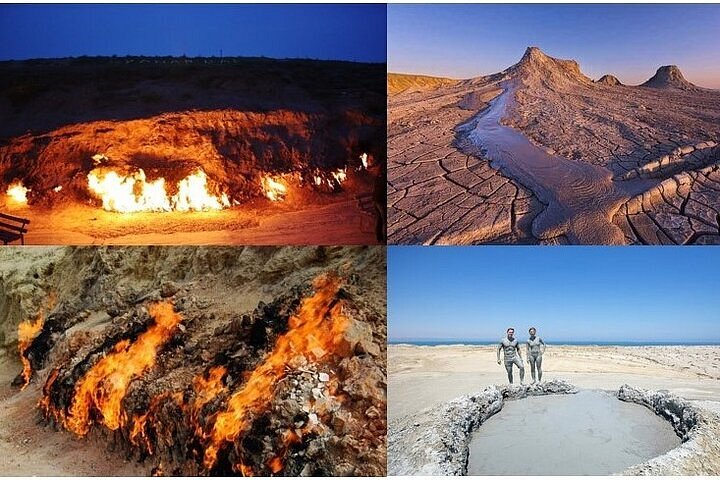
Azerbaijan’s unique geology and ancient history create day trip opportunities that you’ll find nowhere else in the world. These excursions typically require hiring a taxi or joining a guided tour, as public transportation to these sites is limited.
Yanar Dag (the “Burning Mountain”) showcases one of nature’s most spectacular phenomena—natural gas flames that have burned continuously for over 65 years. Located 25 kilometers northeast of Baku, this hillside fire results from natural gas seeping through the porous sandstone beneath. The flames reach heights of 3 meters and burn brightest in the early evening hours. The geological explanation involves natural gas deposits near the surface, ignited by human activity in the 1950s and sustained by continuous gas flow. For the best experience, visit during sunset when the flames become more visible against the darkening sky.
The Ateshgah Fire Temple connects Azerbaijan’s fire-worship traditions with Indian spiritual history. This 17th-century temple complex was built by Indian Hindu and Sikh merchants who traveled the Silk Road trade routes. The temple’s design incorporates both Hindu and Sikh architectural elements, with inscriptions in Sanskrit, Hindi, and Gurmukhi scripts alongside Persian text. The central altar features a natural gas flame that burned continuously until the 1960s, when industrial gas extraction in the area reduced the natural flow. Today, the flame is artificially maintained, but the temple’s significance as a meeting point between Indian and Azerbaijani spiritual traditions remains profound.
Gobustan Rock Art Cultural Landscape preserves over 6,000 rock carvings dating back 40,000 years, making it one of the world’s most important prehistoric art sites. The petroglyphs depict hunting scenes, ritual dances, boats, and animals that once roamed the Caspian region. The nearby mud volcanoes create an otherworldly landscape where cold mud bubbles up through the earth, forming small cone-shaped hills. Azerbaijan contains about 400 of the world’s 700 mud volcanoes, making this geological phenomenon a national specialty. The mud is rich in minerals and is believed to have therapeutic properties.
Practical Day Trip Tip: Combine these sites into a single day excursion. Start with Gobustan in the morning, visit the mud volcanoes at midday, stop at Ateshgah in the afternoon, and finish at Yanar Dag for sunset viewing. This route minimizes travel time while maximizing your experience of Azerbaijan’s unique natural and cultural attractions.
A Taste of Azerbaijan: What to Eat in Baku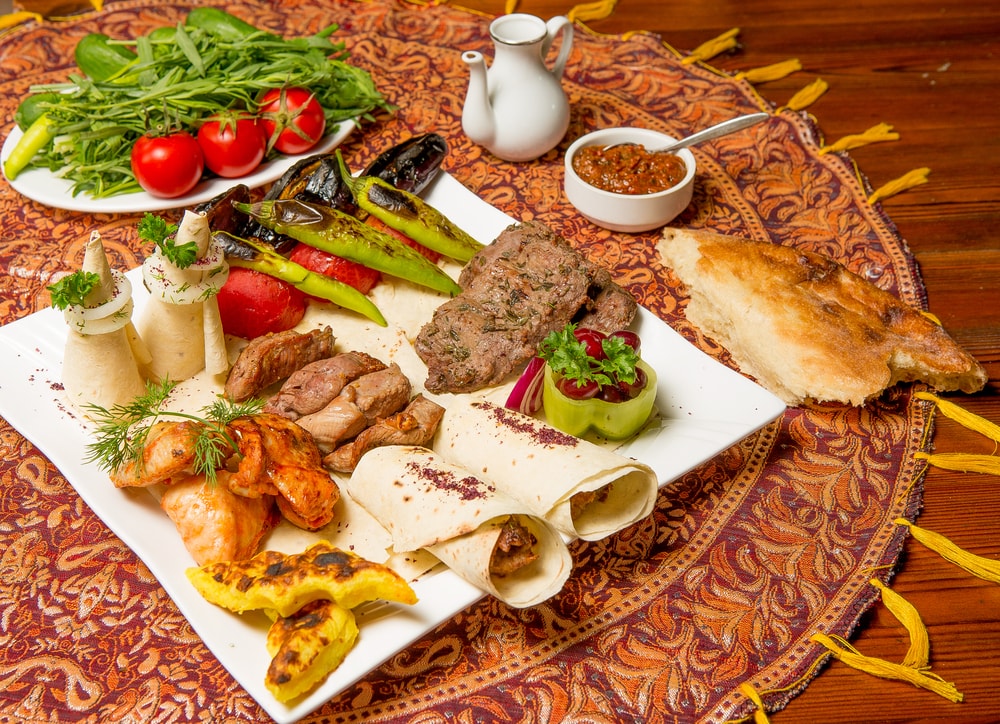
Azerbaijani cuisine offers Indian travelers familiar flavors through different preparations, with emphasis on rice, herbs, and aromatic spices that create surprisingly comfortable culinary experiences.
Dolma represents Azerbaijan’s most beloved dish, featuring grape leaves stuffed with a mixture of rice, herbs, and sometimes meat. The preparation shares similarities with South Indian coconut-rice dishes in terms of the herb-heavy, aromatic approach. Traditional Azerbaijani dolma uses a specific blend of fresh herbs including dill, cilantro, mint, and parsley that creates a bright, fresh flavor profile. Vegetarian versions substitute nuts and additional rice for meat, making them suitable for Indian travelers following vegetarian diets.
Qutab serves as Azerbaijan’s answer to Indian parathas—thin, griddled flatbreads filled with various ingredients. Common fillings include cheese and herbs, pumpkin, or spinach. The cooking technique, using a dry griddle (saj) and finishing with butter, creates results remarkably similar to North Indian bread preparations. The herb-filled versions, packed with cilantro, dill, and scallions, offer flavors that Indian palates readily appreciate.
Plov (pilaf) represents the centerpiece of Azerbaijani celebrations and family meals. Unlike Indian biryanis, Azerbaijani plov features saffron-scented rice cooked with crispy bottom layer called “tahdig,” similar to Persian preparations. The dish includes dried fruits, nuts, and sometimes meat, creating complex sweet-savory flavor combinations. The cooking technique, which creates distinct layers of texture and flavor, demonstrates the sophisticated rice-cooking traditions that Azerbaijan shares with other Asian cultures.
Make a Bite of Baku at Home: Simple Qutab Recipe
Ingredients:
- 2 cups all-purpose flour
- 1 cup warm water
- 1 tsp salt
- 200g cottage cheese (paneer)
- 1 cup mixed fresh herbs (cilantro, dill, parsley)
- Butter for cooking
Method:
- Mix flour, water, and salt to form soft dough. Rest 30 minutes.
- Combine cheese and finely chopped herbs.
- Roll dough thin, add filling to half, fold over.
- Cook on hot griddle until golden, brush with butter.
- Serve hot with yogurt or sour cream.
Practical Guide: Smart Travel Tips for Baku
Getting a Visa
Indian passport holders require an e-visa to enter Azerbaijan. Apply only through the official government ASAN portal (www.evisa.gov.az) to avoid fraudulent sites that charge excessive fees. The e-visa process typically takes 3 working days and costs $23 USD. Required documents include a passport valid for at least 6 months, recent photograph, and completed online application. The visa allows 30 days stay within a 90-day validity period.
Important: Avoid third-party visa service websites that charge higher fees. The official ASAN portal is the only legitimate source for Azerbaijani e-visas.
Best Time to Visit
April through June and September through October provide ideal weather conditions for exploring Baku. During these months, temperatures range from 15-25°C with minimal rainfall. Summer months (July-August) can be extremely hot with temperatures exceeding 35°C, though the Caspian Sea breeze provides some relief. Winter (December-February) brings cooler temperatures around 5-10°C but remains generally mild compared to northern Indian winters.
Getting Around Baku
Baku’s public transportation system includes metro, buses, and taxis that efficiently connect major attractions. The Baku Metro operates three lines covering the city center and outlying areas. Purchase a BakuCard (rechargeable transport card) for convenient travel across all public transport modes. The metro system uses tokens or cards, with stations announced in Azerbaijani and English.
Taxis are abundant and relatively inexpensive. Use the Bolt app (similar to Uber) for transparent pricing and reliable service. Traditional taxis can be negotiated, but ensure you agree on the fare before starting your journey.
Walking remains the best way to explore central Baku, particularly the Old City and Boulevard areas. Most major attractions lie within a compact area that’s easily walkable for visitors with moderate fitness levels.
Is Baku Safe?
Baku ranks among the safest capitals in the region, with low crime rates and generally helpful locals. Standard travel precautions apply: avoid displaying expensive jewelry, keep copies of important documents, and stay aware of your surroundings. Solo female travelers from India report feeling comfortable exploring the city during daytime hours. Police are generally helpful to tourists, though language barriers may require patience.
Budgeting and Currency
The Azerbaijani Manat (AZN) serves as the local currency, with 1 AZN approximately equal to 49 Indian Rupees (rates fluctuate). ATMs accepting international cards are widely available in the city center. Credit cards work in hotels, restaurants, and major shops, though cash remains necessary for street food, local transportation, and small vendors.
Daily Budget Estimates:
- Budget traveler: 40-60 AZN ($24-35 USD)
- Mid-range traveler: 80-120 AZN ($47-70 USD)
- Luxury traveler: 150+ AZN ($88+ USD)
These estimates include accommodation, meals, local transport, and attraction entries.
Sample 3-Day Baku Itinerary
Day 1: Historical Immersion
- Morning: Explore Icheri Seher (Old City), visit Maiden Tower and Palace of the Shirvanshahs
- Afternoon: Azerbaijan National Carpet Museum, lunch at traditional restaurant
- Evening: Walk along Caspian Sea Boulevard, dinner with Flame Towers view
Day 2: Culture and Modernity
- Morning: Heydar Aliyev Cultural Centre
- Afternoon: Museum of Miniature Books, explore local neighborhoods
- Evening: Traditional hamam experience, sunset viewing from Upland Park
Day 3: Fire and History Day Trip
- Morning: Gobustan Rock Art site and mud volcanoes
- Afternoon: Ateshgah Fire Temple
- Evening: Yanar Dag (Burning Mountain) for sunset viewing
- Night: Return to Baku for farewell dinner featuring local specialties
This itinerary provides a comprehensive Baku experience while allowing flexibility for personal interests and energy levels.
Frequently Asked Questions (for Indian Travelers)
What is the visa process for Indians? Indian citizens must obtain an e-visa through the official ASAN portal (evisa.gov.az) before travel. The process takes 3 working days, costs $23 USD, and grants 30 days stay within 90-day validity.
How many days are enough for Baku? 3-4 days allow comprehensive exploration of Baku’s main attractions plus one day trip to sites like Gobustan or the fire temples. Extended stays can include additional day trips or deeper cultural immersion.
Is Baku safe for solo female travelers from India? Yes, Baku is generally very safe for solo female travelers. The city has low crime rates, and locals are respectful toward tourists. Standard precautions apply: avoid isolated areas after dark and trust your instincts about situations or people.
What vegetarian food can I find in Baku? Azerbaijani cuisine offers numerous vegetarian options including herb-filled qutab, vegetarian dolma, fresh salads, and rice dishes. Many restaurants understand vegetarian requirements, though explaining dietary restrictions clearly helps ensure proper preparation.
Can I get by with English? English is spoken in tourist areas, hotels, and restaurants, though learning basic Azerbaijani or Russian phrases enhances interactions with locals. Younger people generally speak better English than older generations.
Conclusion: Your Baku Adventure Awaits
Baku offers Indian travelers a unique destination that feels both exotic and familiar, where ancient fire temples echo our own spiritual traditions and modern architecture rivals anything found in Mumbai or Delhi. From the mysterious alleys of Icheri Seher to the flames that dance across the Caspian Sea skyline, Azerbaijan’s capital provides experiences that will expand your understanding of the rich cultural connections that link India with Central Asia.
The city’s manageable size, affordable prices, and warm hospitality toward Indian visitors make it an ideal destination for both first-time and experienced travelers. Whether you’re drawn by the architectural marvels, the unique geological phenomena, or the delicious cuisine that shares surprising similarities with Indian flavors, Baku promises memories that will last long after you return home.
Ready to explore the Land of Fire? Let Astam Holidays plan your perfect trip to Baku with our expertly crafted Azerbaijan packages that take the stress out of travel planning and ensure you experience the very best this fascinating destination has to offer.
Visit: https://astambholidays.com/baku-dmc/ to discover our exclusive Baku travel packages designed specifically for Indian travelers.
Sources and Footnotes
- Official Azerbaijan e-visa portal: www.evisa.gov.az
- UNESCO World Heritage Centre – Historic Centre of Sheki with the Khan’s Palace: whc.unesco.org
- Gobustan Rock Art Cultural Landscape information: whc.unesco.org/en/list/1076
This article was compiled using official tourism resources, cultural institutions, and verified travel information to ensure accuracy and reliability for Indian travelers planning their Azerbaijan adventure.
0




Leave a Reply